The PIC16F884 is a 40-pin, 8-bit Microchip MCU designed for applications that require a practical combination of processing capability, analog interfacing, memory, and general-purpose control. Its integrated flash program memory, data EEPROM, ADC functionality, timers, comparators, communication peripherals, and numerous configurable I/O pins make it suitable for considerably more complex embedded equipment than a basic single-function controller. The PIC16F884 can be encountered in industrial measurement instruments, control panels, power-management equipment, automation products, electronic meters, security devices, appliance controllers, and other dedicated electronic systems. In these products, the microcontroller may perform everything from sensor acquisition and parameter management to communication and actuator control. When the original engineering environment is no longer available, however, the program stored inside the chip can become one of the most important remaining sources of information about how the product operates.
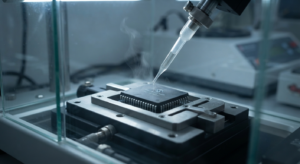
The requirement to extract protected MCU PIC16F884 heximal generally appears when an organization possesses a functioning original board but lacks the corresponding software archive. A customer may have the hardware, yet no longer possess the original firmware, source code, binary, or heximal file needed to manufacture a replacement. In an authorized recovery project, specialists can extract, recover, open, restore, or perform reverse engineering on the microcontroller to investigate its embedded program resources. The relevant data may include flash program memory, EEPROM parameters, configuration information, calibration values, and other elements associated with the original MCU program. A conventional programmer may be unable to produce a useful dump when code-protection features have been enabled. Consequently, the task becomes a specialized memory-recovery and firmware-analysis project rather than ordinary programming. The intention is to preserve an accurate archive of the available program information while avoiding unnecessary disclosure of proprietary technical procedures.
The RCIF interrupt flag bit of the PIR1 register is set whenever the EUSART receiver is enabled and there is an unread character in the receive FIFO. The RCIF interrupt flag bit is read-only, it cannot be set or cleared by software.
RCIF interrupts are enabled by setting the following bits:
- RCIE interrupt enable bit of the PIE1 register
- PEIE peripheral interrupt enable bit of the
INTCON register
- GIE global interrupt enable bit of the INTCON register
The RCIF interrupt flag bit will be set when there is an unread character in the FIFO, regardless of the state of interrupt enable bits.
Each character in the receive FIFO buffer has a corresponding framing error status bit. A framing error indicates that a Stop bit was not seen at the expected time. The framing error status is accessed via the FERR bit of the RCSTA register. The FERR bit represents the status of the top unread character in the receive FIFO. Therefore, the FERR bit must be read before reading the RCREG. The FERR bit is read-only and only applies to the top unread character in the receive FIFO.
A framing error (FERR = 1) does not preclude reception of additional characters. It is not necessary to clear the FERR bit. Reading the next character from the FIFO buffer will advance the FIFO to the next character and the next corresponding framing error.
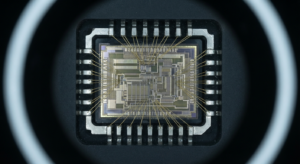
A protected PIC16F884 presents several challenges that make firmware recovery technically demanding. Its secured, protected, or locked configuration can restrict normal read operations, while an encrypted representation, where applicable to the particular system, may introduce additional data-analysis requirements. Engineers must distinguish between program information stored in flash and user or calibration information residing in EEPROM, because these memory areas serve different purposes and should not automatically be treated as one continuous binary file. The condition of the physical microchip is another consideration: aging, electrical overstress, previous repair work, or damaged connections can make reliable communication difficult. Even after a memory dump is obtained, interpreting the resulting binary or heximal archive requires care.
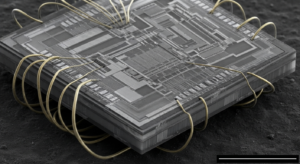
Firmware is not equivalent to readable source code; a recovered program file may require further reverse engineering to understand its routines, configuration structures, peripheral control, and relationship with the surrounding hardware. For this reason, a professional recovery project emphasizes data integrity, repeatability, and verification rather than simply claiming that a protected device can always be opened.
The characters already in the FIFO buffer can be read but no additional characters will be received until the error is cleared. The error must be cleared by either clearing the CREN bit of the RCSTA register or by resetting the EUSART by clearing the SPEN bit of the RCSTA register.
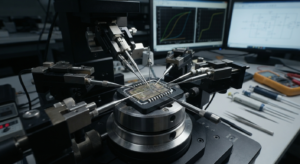
For clients, recovering the PIC16F884 program can provide a practical alternative to abandoning an established electronic product. A verified firmware archive can support replacement-board production, troubleshooting, functional testing, refurbishment, and controlled migration to another microcontroller or microprocessor. Recovering EEPROM information can be particularly valuable when calibration or product-specific parameters are essential to correct operation. The recovered binary, heximal, firmware, and memory data can also provide engineers with a reference for comparing different hardware revisions or investigating unexplained field failures.
Most importantly, the work can preserve engineering investment in equipment that may still be commercially useful even though its original development resources have disappeared. Rather than treating a locked MCU as an automatic reason for complete redesign, authorized firmware recovery and reverse engineering can provide a structured path toward restoration, maintenance, and continued production. This makes protected PIC16F884 recovery valuable for companies seeking to extend product lifetime, reduce redevelopment expenditure, and retain functional knowledge of mature embedded systems.
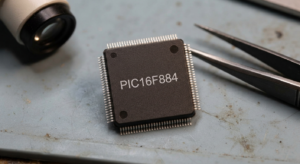
**محفوظ شدہ MCU PIC16F884 کے ہیکسا ڈیسیمل کوڈ کو حاصل کرنے** کی ضرورت عام طور پر اس وقت پیش آتی ہے جب کسی ادارے کے پاس ایک فعال اصل سرکٹ بورڈ موجود ہو لیکن اس سے متعلقہ سافٹ ویئر آرکائیو موجود نہ ہو۔ صارف کے پاس اصل **PIC16F884** موجود ہو سکتا ہے، لیکن متبادل یونٹ تیار کرنے کے لیے درکار اصل **فرم ویئر**، **سورس کوڈ**، **بائنری فائل** یا **ہیکسا ڈیسیمل فائل** اب اس کے پاس موجود نہ ہو۔ ایک **مجاز بحالی کے منصوبے** میں ماہرین **PIC16F884 مائیکروکنٹرولر** پر **استخراج**، **بازیابی**، **کھولنے**، **بحالی** یا **ریورس انجینئرنگ** کا عمل انجام دے سکتے ہیں تاکہ اس میں شامل پروگرام کے وسائل کا جائزہ لیا جا سکے۔ متعلقہ **ڈیٹا** میں **فلیش پروگرام میموری**، **EEPROM پیرامیٹرز**، کنفیگریشن کی معلومات، کیلیبریشن کی قدریں اور اصل **MCU PIC16F884** پروگرام سے متعلق دیگر عناصر شامل ہو سکتے ہیں۔ جب **PIC16F884 مائیکروپروسیسر** پر **کوڈ پروٹیکشن کی خصوصیات** فعال ہوں تو ایک روایتی **پروگرامر** قابلِ استعمال **ڈیٹا ڈمپ** تیار کرنے سے قاصر ہو سکتا ہے۔ نتیجتاً، یہ کام عام پروگرامنگ کے بجائے ایک خصوصی **میموری ریکوری** اور **فرم ویئر تجزیے** کے منصوبے میں تبدیل ہو جاتا ہے۔ مقصد دستیاب **MCU PIC16F884** پروگرام کی معلومات کا ایک درست **آرکائیو** محفوظ رکھنا ہے، جبکہ ملکیتی **تکنیکی طریقہ کار** کے غیر ضروری انکشاف سے گریز کیا جائے۔