
Copy Locked PIC16C65B Program

The pic16c65b represents a classic 8-bit CMOS microcontroller from Microchip, widely recognized for its high-performance RISC architecture and OTP (one-time programmable) EPROM memory structure. Featuring a 40-pin DIP footprint, multiple capture/compare/PWM modules, and integrated synchronous serial ports, this specific MCU served as the core processing engine for late 1990s and early 2000s industrial automation. It is routinely found inside legacy elevator control boards, commercial HVAC units, automotive diagnostic modules, and automated assembly line relays. To safeguard proprietary operational logic and calibration variables, manufacturers almost universally deployed the pic16c65b as a secured chip by burning its security fuse bits during production. This hardware barrier locks down the program memory, effectively turning the embedded firmware into an encrypted black box that blocks standard programmers from reading out internal data.

पुराने legacy fuses की physical nature के कारण hardware-level barriers को पार करके read mcu pic16c65b eeprom और program data तक पहुंच प्राप्त करना अत्यंत कठिन technical challenges प्रस्तुत करता है। जब engineers इस vintage के किसी locked microprocessor को hack या open करने का प्रयास करते हैं, तो security fuses internal read lines को output buffer तक physically disable कर देते हैं, जिसके परिणामस्वरूप blank dump या garbage code प्राप्त हो सकता है। modern flash components के विपरीत, pic16c65b की OTP architecture में electrical erase cycles नहीं होते, जिसका अर्थ है कि कोई भी aggressive intervention internal registers को स्थायी रूप से scramble करने या floating-gate storage nodes को damage करने का जोखिम पैदा करता है। binary file को extract करने और heximal data को recover करने के लिए specialists को underlying memory को नष्ट किए बिना protected fuse state को bypass करने हेतु chip को सावधानीपूर्वक stabilize करना पड़ता है। इस reverse engineering workflow को सफलतापूर्वक execute करने से technicians source code logic को extract कर सकते हैं और primary silicon को alter किए बिना original firmware को external archive file में dump कर सकते हैं।.

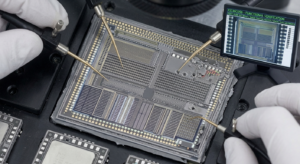
Breaking through hardware-level barriers to Read MCU PIC16C65B Eeprom and program data involves extreme technical difficulties due to the physical nature of legacy fuses. When engineers attempt to hack or open a locked microprocessor of this vintage, the security fuses physically disable the internal read lines to the output buffer, returning a blank dump or garbage code. Unlike modern flash components, the OTP architecture of the pic16c65b lacks electrical erase cycles, meaning any aggressive intervention risks permanently scrambling the internal registers or damaging the floating-gate storage nodes. To extract the binary file and recover the heximal data, specialists must carefully stabilize the chip to bypass the protected fuse state without destroying the underlying memory. Successfully executing this reverse engineering workflow allows technicians to extract the source code logic and dump the original firmware into an external archive file without altering the primary silicon.

legacy fuses کی physical nature کی وجہ سے hardware-level barriers کو عبور کرکے read mcu pic16c65b eeprom اور program data تک رسائی حاصل کرنا انتہائی technical difficulties پیش کرتا ہے۔ جب engineers اس vintage کے کسی locked microprocessor کو hack یا open کرنے کی کوشش کرتے ہیں، تو security fuses internal read lines کو output buffer تک physically disable کر دیتے ہیں، جس کے نتیجے میں blank dump یا garbage code حاصل ہو سکتا ہے۔ modern flash components کے برعکس، pic16c65b کی OTP architecture میں electrical erase cycles موجود نہیں ہیں، یعنی کوئی بھی aggressive intervention internal registers کو مستقل طور پر scramble کرنے یا floating-gate storage nodes کو damage کرنے کا خطرہ پیدا کرتا ہے۔ binary file کو extract اور heximal data کو recover کرنے کے لیے specialists کو underlying memory کو تباہ کیے بغیر protected fuse state کو bypass کرنے کے لیے chip کو احتیاط سے stabilize کرنا ہوتا ہے۔ اس reverse engineering workflow کو کامیابی سے execute کرنے سے technicians source code logic کو extract کر سکتے ہیں اور primary silicon کو alter کیے بغیر original firmware کو external archive file میں dump کر سکتے ہیں۔

The High-Frequency Internal Oscillator (HFINTOSC) is a factory calibrated 8 MHz internal clock source. The frequency of the HFINTOSC can be altered approximately ±12% via software using the OSCTUNE register (Register 4-2). The output of the HFINTOSC connects to a postscaler and multiplexer. One of seven frequencies can be selected via software using the IRCF bits (see Section 4.4.4 “Frequency Select Bits (IRCF)”). The HFINTOSC is enabled by selecting any frequency between 8 MHz and 125 kHz (IRCF ≠ 000) as the System Clock Source (SCS = 1), or when Two-Speed Start-up is enabled (IESO = 1 and IRCF ≠ 000). The HF Internal Oscillator (HTS) bit (OSCCON<2>) indicates whether the HFINTOSC is stable or not. The HFINTOSC is factory calibrated but can be adjusted in software by writing to the OSCTUNE register (Register 4-2). The OSCTUNE register has a tuning range of ±12%. The default value of the OSCTUNE register is ‘0’. The value is a 5-bit two’s complement number. Due to process variation, the monotonicity and frequency step cannot be specified.

When the OSCTUNE register is modified, the HFINTOSC frequency will begin shifting to the new frequency. The HFINTOSC clock will stabilize within 1 ms. Code execution continues during this shift. There is no indication that the shift has occurred.

преодоление hardware-level barriers для read mcu pic16c65b eeprom и program data связано с чрезвычайными техническими трудностями из-за физической природы legacy fuses. когда инженеры пытаются hack или open locked microprocessor такого поколения, security fuses физически отключают internal read lines к output buffer, возвращая blank dump или garbage code. в отличие от modern flash components, OTP architecture pic16c65b не имеет electrical erase cycles, поэтому любое aggressive intervention может навсегда scramble internal registers или повредить floating-gate storage nodes. чтобы extract binary file и recover heximal data, специалисты должны тщательно stabilize chip, чтобы bypass protected fuse state, не разрушая underlying memory. успешное выполнение этого reverse engineering workflow позволяет technicians extract source code logic и dump original firmware во внешний archive file без изменения primary silicon.

OSCTUNE does not affect the LFINTOSC frequency. Operation of features that depend on the LFINTOSC clock source frequency, such as the Power-up Timer (PWRT), Watchdog Timer (WDT), Fail-Safe Clock Monitor (FSCM) and peripherals, are not affected by the change in frequency. The Low-Frequency Internal Oscillator (LFINTOSC) is an uncalibrated (approximate) 31 kHz internal clock source. The output of the LFINTOSC connects to a postscaler and multiplexer (see Figure 4-1). 31 kHz can be selected via software using the IRCF bits (see Section 4.4.4 “Frequency Select Bits (IRCF)”). The LFINTOSC is also the frequency for the Power-up Timer (PWRT), Watchdog Timer (WDT) and Fail-Safe Clock Monitor (FSCM). The LFINTOSC is enabled by selecting 31 kHz (IRCF = 000) as the System Clock Source (SCS = 1), or when any of the following are enabled:

Two-Speed Start-up (IESO = 1 and IRCF = 000)

Power-up Timer (PWRT)

Watchdog Timer (WDT)

Fail-Safe Clock Monitor (FSCM)

Selected as LCD module clock source

The LF Internal Oscillator (LTS) bit (OSCCON<1>) indicates whether the LFINTOSC is stable or not.

The practical driver behind opening a protected microcontroller is the urgent reality of industrial maintenance and obsolete supply chains. As decades pass, the original engineering files, source code, and design archive for critical infrastructure frequently vanish due to corporate mergers, vendor bankruptcy, or corrupted magnetic media. If an aging pic16c65b board fails in a operating factory line, sourcing a brand-new factory controller is often impossible, making the ability to recover the program from a surviving working chip the sole method to restore system functionality. By electing to reverse engineering a locked MCU, organizations can extract the binary archive and restore full operations by programming a replacement chip. This process serves as an essential digital recovery tool, preventing massive capital expenditure by creating an accessible archive file from previously unreachable legacy hardware.

Legacy fuses의 physical nature 때문에 hardware-level barriers를 돌파하여 read mcu pic16c65b eeprom 및 program data에 접근하는 것은 극도의 technical difficulties를 수반한다. engineers가 이 vintage의 locked microprocessor를 hack하거나 open하려고 하면 security fuses가 internal read lines를 output buffer로 physically disable하여 blank dump 또는 garbage code를 반환한다. modern flash components와 달리 pic16c65b의 OTP architecture에는 electrical erase cycles가 없으므로, aggressive intervention은 internal registers를 영구적으로 scramble하거나 floating-gate storage nodes를 damage할 위험이 있다. binary file을 extract하고 heximal data를 recover하기 위해 specialists는 underlying memory를 파괴하지 않고 protected fuse state를 bypass할 수 있도록 chip을 신중하게 stabilize해야 한다. 이 reverse engineering workflow를 성공적으로 실행하면 technicians는 source code logic을 extract하고 primary silicon을 alter하지 않은 상태에서 original firmware를 external archive file로 dump할 수 있다.

For commercial clients, mastering the technology to Read MCU PIC16C65B Eeprom contents brings immediate economic value and long-term risk protection. Obtaining a verified binary dump of a secured MCU turns an unserviceable legacy component into an active, manageable resource. Clients can seamlessly restore broken control modules, duplicate hard-to-find replacement hardware, and conduct security audits on aging machinery. Furthermore, accessing the stored eeprom settings and flash logic within the pic16c65b allows engineering teams to extract key operational parameters and port legacy code over to modern ARM or PIC18 platforms. Ultimately, this specialized extraction service liberates critical software from locked silicon, ensuring that your proprietary data remains accessible, operational, and fully protected against premature equipment retirement.
việc vượt qua hardware-level barriers để read mcu pic16c65b eeprom và program data đặt ra những technical difficulties cực kỳ lớn do physical nature của legacy fuses. khi engineers cố gắng hack hoặc open một locked microprocessor thuộc thế hệ này, security fuses sẽ physically disable internal read lines tới output buffer, dẫn đến blank dump hoặc garbage code. không giống modern flash components, OTP architecture của pic16c65b không có electrical erase cycles, nghĩa là bất kỳ aggressive intervention nào cũng có nguy cơ permanently scramble internal registers hoặc damage floating-gate storage nodes. để extract binary file và recover heximal data, specialists phải cẩn thận stabilize chip nhằm bypass protected fuse state mà không phá hủy underlying memory. việc thực hiện thành công reverse engineering workflow này cho phép technicians extract source code logic và dump original firmware vào external archive file mà không alter primary silicon.