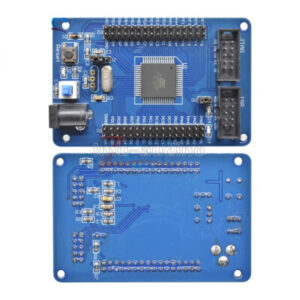
Category: Read Locked MCU Data

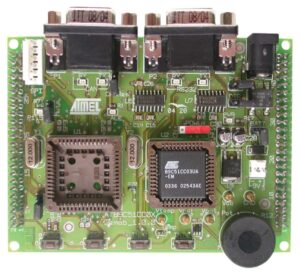
  • Read Microcontroller AT89C51CC01 Flash

    Read Microcontroller AT89C51CC01 Flash

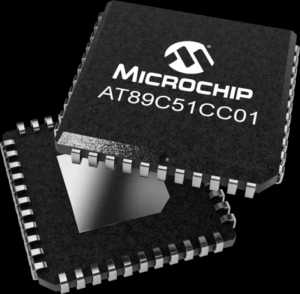
    The process to read microcontroller AT89C51CC01 flash represents a critical challenge in the world of embedded security, particularly when the chip in question is secured, encrypted, or otherwise protected. The AT89C51CC01, manufactured by Atmel (now part of Microchip Technology), is a powerful 8-bit MCU based on the 8051 core. It integrates USB capabilities, EEPROM, and 32KB of on-chip flash memory, making it ideal for automotive and industrial control systems.
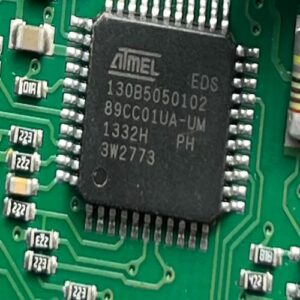
    Amikor egy titkosított ATMEL AT89C51CC01 MCU firmware-jét vagy binárisát ki kell kinyerni ebből a chipből – például klónozáshoz, visszafejtéshez vagy régi rendszerek visszaállításához –, a mérnökök komoly akadályokkal szembesülnek. Ez a védő ATMEL AT89C51CC01 mikrovezérlő biztonsági zárbitekkel és kódvédelemmel rendelkezik, amelyek engedélyezve megakadályozzák a belső memória, a flash memória vagy az EEPROM tartalmához való hagyományos hozzáférést. A programadatok vagy a forráskód kinyeréséhez egy biztonságos AT89C51CC01 mikroprocesszorból kifinomult támadási vektorokat kell megpróbálni. Az ATMEL AT89C51CC01 robusztus biztonsági és integrált funkciói ellenállóvá teszik a véletlenszerű másolással vagy kinyeréssel szemben, ami szakértői szintű visszafejtési képességeket igényel.
    Amikor egy titkosított ATMEL AT89C51CC01 MCU firmware-jét vagy binárisát ki kell kinyerni ebből a chipből – például klónozáshoz, visszafejtéshez vagy régi rendszerek visszaállításához –, a mérnökök komoly akadályokkal szembesülnek. Ez a védő ATMEL AT89C51CC01 mikrovezérlő biztonsági zárbitekkel és kódvédelemmel rendelkezik, amelyek engedélyezve megakadályozzák a belső memória, a flash memória vagy az EEPROM tartalmához való hagyományos hozzáférést. A programadatok vagy a forráskód kinyeréséhez egy biztonságos AT89C51CC01 mikroprocesszorból kifinomult támadási vektorokat kell megpróbálni. Az ATMEL AT89C51CC01 robusztus biztonsági és integrált funkciói ellenállóvá teszik a véletlenszerű másolással vagy kinyeréssel szemben, ami szakértői szintű visszafejtési képességeket igényel.

    However, when a firmware or binary needs to be extracted from this chip — for example, for cloning, reverse engineering, or restoring legacy systems — engineers face serious barriers. This microcontroller features security lock bits and code protection, which, when enabled, prevent conventional access to the internal memory, flash, or EEPROM contents.

    To dump the program data or source code from a secured AT89C51CC01, one must attempt sophisticated attack vectors. Common techniques include:

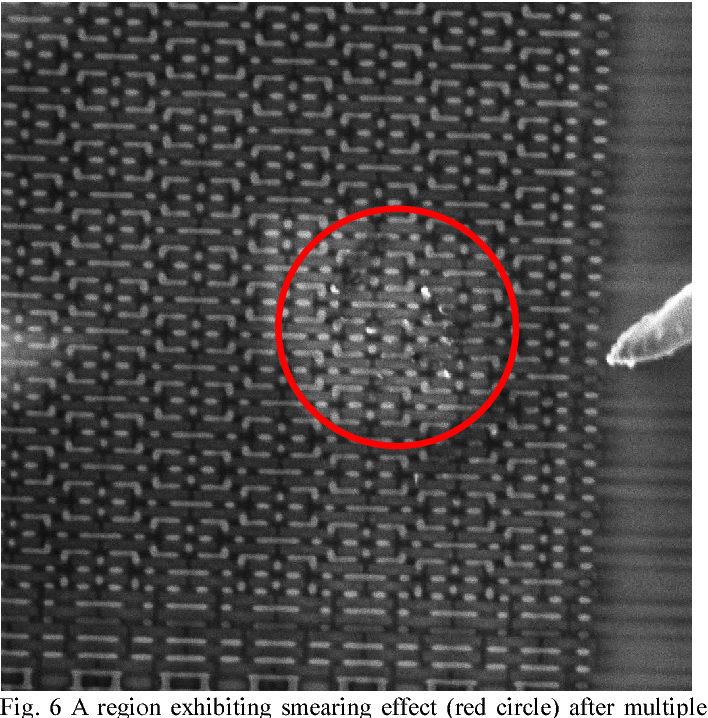
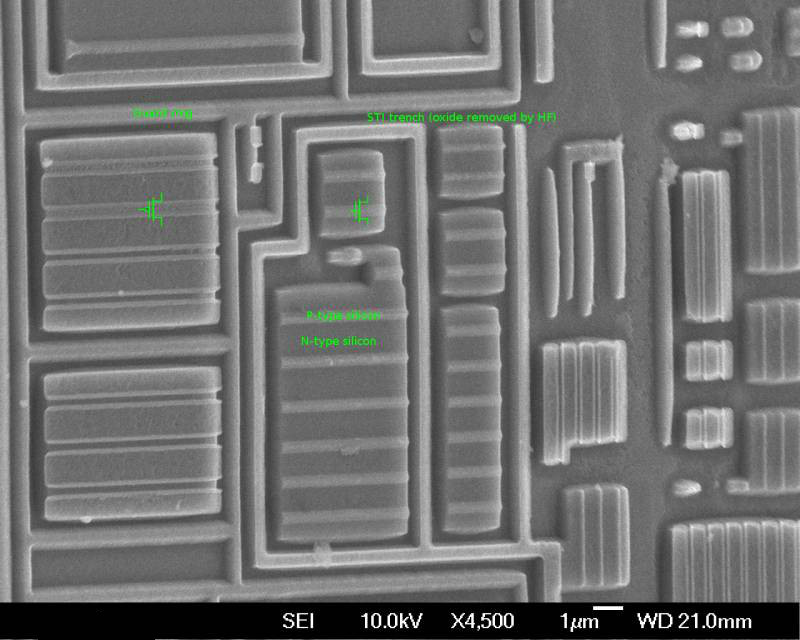
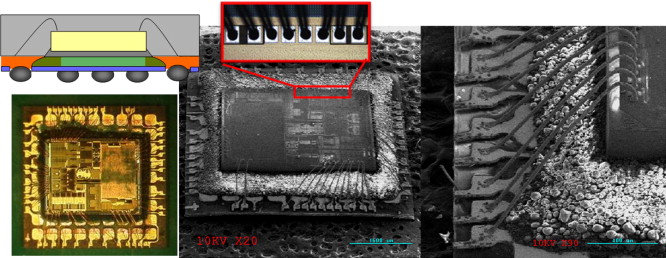
    • Decapsulation: Physically removing the chip’s packaging to expose the silicon die, which enables optical probing or laser fault injection.

    • Voltage glitching and clock fault injection: Introducing faults into the chip’s normal operation to bypass the security state.

    • Side-channel attacks: Monitoring power consumption or electromagnetic emissions to decode internal operations.

    • Bootloader abuse or debug interface exploitation (if not disabled): Leveraging known vulnerabilities to gain partial access.

    These techniques require a deep understanding of semiconductor behavior and specialized equipment. The process to crack or break through these defenses is both expensive and time-consuming — especially with locked or encrypted firmware.

    Despite the obstacles, successfully retrieving a heximal or binary archive from such a chip allows engineers to recover, replicate, or duplicate valuable legacy code. The dumped file can be analyzed to understand proprietary logic, reverse firmware behavior, or clone the original microprocessor setup.

    What sets the AT89C51CC01 apart is not just its technical features, but the difficulties encountered during chip-level hacking. This chip’s robust security and integrated features make it resistant to casual copying or dumping efforts, demanding expert-level reverse engineering capabilities.
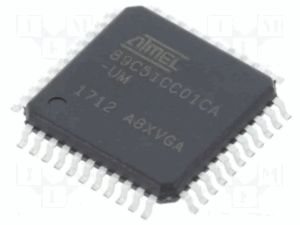
    Când un firmware sau o memorie binară a unui MCU criptat ATMEL AT89C51CC01 trebuie extrasă din acest cip - de exemplu, pentru clonare, inginerie inversă sau restaurarea sistemelor vechi - inginerii se confruntă cu bariere serioase. Acest microcontroler protector ATMEL AT89C51CC01 dispune de biți de blocare de securitate și protecție a codului, care, atunci când sunt activate, împiedică accesul convențional la memoria internă, flash sau conținutul EEPROM. Pentru a extrage datele programului sau codul sursă de pe un microprocesor securizat AT89C51CC01, trebuie încercate vectori de atac sofisticați. Securitatea robustă și caracteristicile integrate ale acestui ATMEL AT89C51CC01 îl fac rezistent la eforturile de copiere sau extragere ocazională, necesitând capacități de inginerie inversă la nivel de expert.
    Când un firmware sau o memorie binară a unui MCU criptat ATMEL AT89C51CC01 trebuie extrasă din acest cip – de exemplu, pentru clonare, inginerie inversă sau restaurarea sistemelor vechi – inginerii se confruntă cu bariere serioase. Acest microcontroler protector ATMEL AT89C51CC01 dispune de biți de blocare de securitate și protecție a codului, care, atunci când sunt activate, împiedică accesul convențional la memoria internă, flash sau conținutul EEPROM. Pentru a extrage datele programului sau codul sursă de pe un microprocesor securizat AT89C51CC01, trebuie încercate vectori de atac sofisticați. Securitatea robustă și caracteristicile integrate ale acestui ATMEL AT89C51CC01 îl fac rezistent la eforturile de copiere sau extragere ocazională, necesitând capacități de inginerie inversă la nivel de expert.

    In conclusion, to read microcontroller AT89C51CC01 flash from a secured device is a high-skill endeavor that involves an arsenal of advanced methods to decrypt and recover the internal data — a task where knowledge, precision, and patience are essential.

    Read Microcontroller AT89C51CC01 Flash content and copy MCU firmware into other blank AT89C51CC01, decapsulate the silicon package of MCU and get access to the internal databus of chip through crack MCU tamper resistance system.

    The T89C51CC01 core needs only 6 clock periods per machine cycle. This feature, called ”X2”, provides the following advantages:

    Divides frequency crystals by 2 (cheaper crystals) while keeping the same CPU power. Saves power consumption while keeping the same CPU power (oscillator power saving). Saves power consumption by dividing dynamic operating frequency by 2 in operating and idle modes. Increases CPU power by 2 while keeping the same crystal frequency.

    In order to keep the original C51 compatibility, a divider-by-2 is inserted between the XTAL1 signal and the main clock input of the core (phase generator). This divider may be disabled by the software.
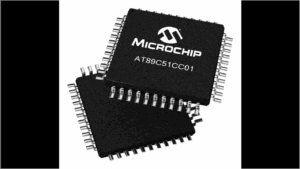
    Когато фърмуер или двоичен файл на криптиран MCU ATMEL AT89C51CC01 трябва да бъде извлечен от този чип — например за клониране, обратно инженерство или възстановяване на наследени системи — инженерите се сблъскват със сериозни бариери. Този защитен микроконтролер ATMEL AT89C51CC01 разполага с битове за заключване на сигурността и защита на кода, които, когато са активирани, предотвратяват конвенционалния достъп до вътрешната памет, флаш паметта или съдържанието на EEPROM. За да се изтеглят програмните данни или изходният код от защитен микропроцесор AT89C51CC01, трябва да се опитат сложни вектори на атака. Надеждната сигурност и интегрираните функции на този ATMEL AT89C51CC01 го правят устойчив на случайни опити за копиране или дъмпинг, изискващи експертни възможности за обратно инженерство.
    Когато фърмуер или двоичен файл на криптиран MCU ATMEL AT89C51CC01 трябва да бъде извлечен от този чип — например за клониране, обратно инженерство или възстановяване на наследени системи — инженерите се сблъскват със сериозни бариери. Този защитен микроконтролер ATMEL AT89C51CC01 разполага с битове за заключване на сигурността и защита на кода, които, когато са активирани, предотвратяват конвенционалния достъп до вътрешната памет, флаш паметта или съдържанието на EEPROM. За да се изтеглят програмните данни или изходният код от защитен микропроцесор AT89C51CC01, трябва да се опитат сложни вектори на атака. Надеждната сигурност и интегрираните функции на този ATMEL AT89C51CC01 го правят устойчив на случайни опити за копиране или дъмпинг, изискващи експертни възможности за обратно инженерство.

    An extra feature is available to start after Reset in the X2 mode. This feature can be enabled by a bit X2B in the Hardware Security Byte. This bit is described in the section “In-System-Programming” if extract Microcontroller at89c55 code.

    The X2 bit in the CKCON register (see Table 13) allows switching from 12 clock cycles per instruction to 6 clock cycles and vice versa. At reset, the standard speed is activated (STD mode).

    Setting this bit activates the X2 feature (X2 mode) for the CPU Clock only (see Figure 5.).

    The Timers 0, 1 and 2, Uart, PCA, Watchdog or CAN switch in X2 mode only if the corresponding bit is cleared in the CKCON register. The clock for the whole circuit and peripheral is first divided by two before being used by the CPU core and peripherals. This allows any cyclic ratio to be accepted on the XTAL1 input. In X2 mode, as this divider is bypassed, the signals on XTAL1 must have a cyclic ratio between 40 to 60%. Figure 5. shows the clock generation block diagram.

    The X2 bit is validated on the XTAL1÷2 rising edge to avoid glitches when switching from the X2 to the STD mode. Figure 6 shows the mode switching waveforms.

    Two power reduction modes are implemented in the T89C51CC01: the Idle mode and the Power-down mode. These modes are detailed in the following sections. In addition to these power reduction modes, the clocks of the core and peripherals can be dynamically divided by 2 using the X2 Mode detailed in Section “Clock”.

    In order to start-up (cold reset) or to restart (warm reset) properly the microcontroller, a high level has to be applied on the RST pin. A bad level leads to a wrong initialisation of the internal registers like SFRs, PC, etc. and to unpredictable behavior of the microcontroller. A warm reset can be applied either directly on the RST pin or indirectly by an internal reset source such as a watchdog, PCA, timer, etc if extract chip embedded firmware.
    Pokud je třeba z tohoto čipu extrahovat firmware nebo binární soubor šifrovaného MCU ATMEL AT89C51CC01 – například pro klonování, reverzní inženýrství nebo obnovu starších systémů – čelí inženýři vážným překážkám. Tento ochranný mikrokontrolér ATMEL AT89C51CC01 je vybaven bezpečnostními uzamykacími bity a ochranou kódu, které, pokud jsou povoleny, zabraňují konvenčnímu přístupu k obsahu interní paměti, flash paměti nebo EEPROM. Pro výpis programových dat nebo zdrojového kódu ze zabezpečeného mikroprocesoru AT89C51CC01 je nutné vyzkoušet sofistikované vektory útoku. Robustní zabezpečení a integrované funkce mikrokontroléru ATMEL AT89C51CC01 jej činí odolným vůči náhodnému kopírování nebo výpisu dat, což vyžaduje expertní schopnosti reverzního inženýrství.
    Pokud je třeba z tohoto čipu extrahovat firmware nebo binární soubor šifrovaného MCU ATMEL AT89C51CC01 – například pro klonování, reverzní inženýrství nebo obnovu starších systémů – čelí inženýři vážným překážkám. Tento ochranný mikrokontrolér ATMEL AT89C51CC01 je vybaven bezpečnostními uzamykacími bity a ochranou kódu, které, pokud jsou povoleny, zabraňují konvenčnímu přístupu k obsahu interní paměti, flash paměti nebo EEPROM. Pro výpis programových dat nebo zdrojového kódu ze zabezpečeného mikroprocesoru AT89C51CC01 je nutné vyzkoušet sofistikované vektory útoku. Robustní zabezpečení a integrované funkce mikrokontroléru ATMEL AT89C51CC01 jej činí odolným vůči náhodnému kopírování nebo výpisu dat, což vyžaduje expertní schopnosti reverzního inženýrství.

    Two conditions are required before enabling a CPU start-up: VDD must reach the specified VDD range, The level on xtal1 input must be outside the specification (VIH, VIL). If one of these two conditions are not met, the microcontroller does not start correctly and can execute an instruction fetch from anywhere in the program space. An active level applied on the RST pin must be maintained until both of the above conditions are met. A reset is active when the level VIH1 is reached and when the pulse width covers the period of time where VDD and the oscillator are not stabilized. Two parameters have to be taken into account to determine the reset pulse width:

    VDD rise time (vddrst),

    Oscillator startup time (oscrst).

    To determine the capacitor the highest value of these two parameters has to be chosen.

    The reset circuitry is shown in Figure 7 after Read Microcontroller.

    Service scope and next steps

    Read-protected microcontroller firmware is routine work for our lab. Send the part number and we will confirm the device revision, the protection configuration and the method before we quote. The full scope of what we handle, how a project runs from electrical integrity test to delivered file, and the payment terms are described on our service capabilities page.

    Need this protected part read?

    Send us the part number and a short description of what you need. Free evaluation, fixed quotation, and a reply within one business day.

    Request a quotation
  • Read MCU AT89C51CC03 Program

    Read MCU AT89C51CC03 Program

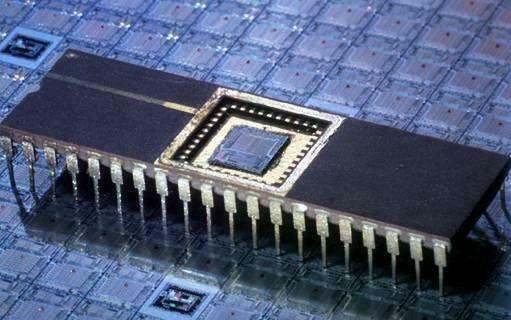
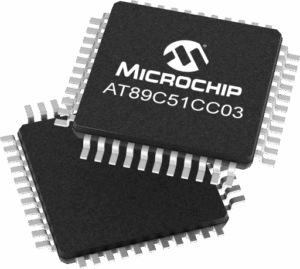
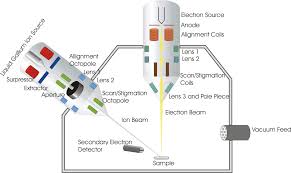
    Read MCU AT89C51CC03 Program from its embedded memory have to remove the security fuse bit by focus ion beam, which is a key technology for microcontroller unlocking.

    Some instructions read the latch data rather than the pin data. The latch based instructions read the data, modify the data and then rewrite the latch. These are called “Read-Modify-Write” instructions. Below is a complete list of these special instructions (see Table ). When the destination operand is a Port or a Port bit, these instructions read the latch rather than the pin when extract MCU at89c52 heximal:

    Per leggere il programma dell'MCU AT89C51CC03, in genere è necessario accedere a strumenti hardware e software specializzati in grado di interfacciarsi con la memoria flash o la EEPROM. Se l'MCU è protetto da fusibili di sicurezza, come accade comunemente nei prodotti commerciali, i metodi di lettura convenzionali non funzionano. Questo spinge molti ingegneri e ricercatori a esplorare metodi alternativi per recuperare o scaricare i dati binari. Questi approcci alternativi spesso rientrano in categorie come la decapsulazione, le tecniche di chip-off o l'iniezione di guasti. Ad esempio, si potrebbe decapsulare fisicamente il package del microcontrollore per esporre il die di silicio, consentendo l'accesso alla memoria interna tramite microscopi elettronici a scansione (SEM) o scansione laser. Tali procedure, spesso descritte come tecniche di crack, break o attacco, mirano a bypassare le funzionalità di sicurezza del chip.
    Per leggere il programma dell’MCU AT89C51CC03, in genere è necessario accedere a strumenti hardware e software specializzati in grado di interfacciarsi con la memoria flash o la EEPROM. Se l’MCU è protetto da fusibili di sicurezza, come accade comunemente nei prodotti commerciali, i metodi di lettura convenzionali non funzionano. Questo spinge molti ingegneri e ricercatori a esplorare metodi alternativi per recuperare o scaricare i dati binari. Questi approcci alternativi spesso rientrano in categorie come la decapsulazione, le tecniche di chip-off o l’iniezione di guasti. Ad esempio, si potrebbe decapsulare fisicamente il package del microcontrollore per esporre il die di silicio, consentendo l’accesso alla memoria interna tramite microscopi elettronici a scansione (SEM) o scansione laser. Tali procedure, spesso descritte come tecniche di crack, break o attacco, mirano a bypassare le funzionalità di sicurezza del chip.

    It is not obvious the last three instructions in this list are Read-Modify-Write instructions. These instructions read the port (all 8 bits), modify the specifically addressed bit and write the new byte back to the latch. These Read-Modify-Write instructions are directed to the latch rather than the pin in order to avoid possible misinterpretation of voltage (and therefore, logic) levels at the pin.

    For example, a Port bit used to drive the base of an external bipolar transistor can not rise above the transistor’s base-emitter junction voltage (a value lower than VIL). With a logic one written to the bit, attempts by the CPU to read the Port at the pin are misinterpreted as logic zero. A read of the latch rather than the pins returns the correct logic-one value.

    MCU AT89C51CC03 programını okumak için, genellikle flaş bellek veya EEPROM ile arayüz oluşturabilen özel donanım ve yazılım araçlarına erişim gerekir. MCU, ticari ürünlerde yaygın olarak görülen güvenlik sigortalarıyla korunuyorsa, geleneksel okuma yöntemleri işe yaramaz. Bu, birçok mühendis ve araştırmacıyı ikili verileri kurtarmak veya boşaltmak için alternatif yollar keşfetmeye yönlendirir. Bu alternatif yaklaşımlar genellikle kapsülden çıkarma, yonga çıkarma teknikleri veya hata enjeksiyonu gibi kategorilere girer. Örneğin, mikrodenetleyici paketi fiziksel olarak kapsülden çıkarılarak silikon kalıp açığa çıkarılabilir ve taramalı elektron mikroskopları (SEM) veya lazer tarama yoluyla dahili belleğe erişim sağlanabilir. Genellikle çatlatma, kırma veya saldırı teknikleri olarak tanımlanan bu tür prosedürler, çipin güvenlik özelliklerini atlatmayı amaçlar.
    MCU AT89C51CC03 programını okumak için, genellikle flaş bellek veya EEPROM ile arayüz oluşturabilen özel donanım ve yazılım araçlarına erişim gerekir. MCU, ticari ürünlerde yaygın olarak görülen güvenlik sigortalarıyla korunuyorsa, geleneksel okuma yöntemleri işe yaramaz. Bu, birçok mühendis ve araştırmacıyı ikili verileri kurtarmak veya boşaltmak için alternatif yollar keşfetmeye yönlendirir. Bu alternatif yaklaşımlar genellikle kapsülden çıkarma, yonga çıkarma teknikleri veya hata enjeksiyonu gibi kategorilere girer. Örneğin, mikrodenetleyici paketi fiziksel olarak kapsülden çıkarılarak silikon kalıp açığa çıkarılabilir ve taramalı elektron mikroskopları (SEM) veya lazer tarama yoluyla dahili belleğe erişim sağlanabilir. Genellikle çatlatma, kırma veya saldırı teknikleri olarak tanımlanan bu tür prosedürler, çipin güvenlik özelliklerini atlatmayı amaçlar.

    Port 1, Port 2, Port 3 and Port 4 have fixed internal pull-ups and are referred to as “quasi-bidirectional” Ports. When configured as an input, the pin impedance appears as logic one and sources current in response to an external logic zero condition. Port 0 is a “true bidirectional” pin. The pins float when configured as input. Resets write logic one to all Port latches. If logical zero is subsequently written to a Port latch, it can be returned to input conditions by a logical one written to the latch.

    Port latch values change near the end of Read-Modify-Write instruction cycles. Output buffers (and therefore the pin state) update early in the instruction after Read-Modify-Write instruction cycle. Logical zero-to-one transitions in Port 1, Port 2, Port 3 and Port 4 use an additional pull up (p1) to aid this logic transition (see Figure 4.). This increases switch speed. This extra pull-up sources 100 times normal internal circuit current during 2 oscillator clock periods. The internal pull-ups are field-effect transistors rather than linear resistors.

    Pull-ups consist of three p-channel FET (pFET) devices. A pFET is on when the gate senses logical zero and off when the gate senses logical one. pFET #1 is turned on for two oscillator periods immediately after a zero-to-one transition in the Port latch. A logical one at the Port pin turns on pFET #3 (a weak pull-up) through the inverter. This inverter and pFET pair form a latch to drive logical one. pFET #2 is a very weak pull-up switched on whenever the associated nFET is switched off. This is traditional CMOS switch convention when copy chip embedded firmware.

    Estos enfoques alternativos suelen clasificarse en categorías como la desencapsulación, las técnicas de chip-off o la inyección de fallos. Por ejemplo, se podría desencapsular físicamente el encapsulado del microcontrolador para exponer la matriz de silicio, lo que permite acceder a la memoria interna mediante microscopios electrónicos de barrido (MEB) o escaneo láser. Estos procedimientos, a menudo descritos como técnicas de crack, rotura o ataque, buscan eludir las funciones de seguridad del chip.

Otro enfoque consiste en hackear el firmware mediante métodos basados ​​en exploits, donde se utilizan vulnerabilidades en el gestor de arranque o el mecanismo de actualización del firmware del MCU para descifrar, decodificar o copiar los datos del programa. En algunos casos, los ingenieros pueden replicar, clonar o duplicar el código fuente analizando el archivo binario o de memoria recuperado del chip.
    Estos enfoques alternativos suelen clasificarse en categorías como la desencapsulación, las técnicas de chip-off o la inyección de fallos. Por ejemplo, se podría desencapsular físicamente el encapsulado del microcontrolador para exponer la matriz de silicio, lo que permite acceder a la memoria interna mediante microscopios electrónicos de barrido (MEB) o escaneo láser. Estos procedimientos, a menudo descritos como técnicas de crack, rotura o ataque, buscan eludir las funciones de seguridad del chip.
    Otro enfoque consiste en hackear el firmware mediante métodos basados ​​en exploits, donde se utilizan vulnerabilidades en el gestor de arranque o el mecanismo de actualización del firmware del MCU para descifrar, decodificar o copiar los datos del programa. En algunos casos, los ingenieros pueden replicar, clonar o duplicar el código fuente analizando el archivo binario o de memoria recuperado del chip.

    Current strengths are 1/10 that of pFET #3. The X2 bit in the CKCON register (see Table 2) allows switching from 12 clock cycles per instruction to 6 clock cycles and vice versa. At reset, the standard speed is activated (STD mode). Setting this bit activates the X2 feature (X2 mode) for the CPU Clock only.

    The Timers 0, 1 and 2, Uart, PCA, WatchDog or CAN switch in X2 mode only if the corresponding bit is cleared in the CKCON register. The clock for the whole circuit and peripheral is first divided by two before being used by the CPU core and peripherals. This allows any cyclic ratio to be accepted on the XTAL1 input. In X2 mode, as this divider is bypassed, the signals on XTAL1 must have a cyclic ratio between 40 to 60%. Figure 5. shows the clock generation block diagram.

    The X2 bit is validated on the XTAL1÷2 rising edge to avoid glitches when switching from the X2 to the STD mode. Figure 6 shows the mode switching waveforms.

    Service scope and next steps

    If a part number does not appear on our previous work list, we still take it on: identify the device, read the protection state, and confirm the approach in a free evaluation. The full scope of what we handle, how a project runs from electrical integrity test to delivered file, and the payment terms are described on our service capabilities page.

    Ready to extract this firmware image?

    Send us the part number and a short description of what you need. Free evaluation, fixed quotation, and a reply within one business day.

    Request a quotation
  • PIC12F508/519 (8-pin) Microcontroller Family – Flash Readout, Code Extraction & Clone

    PIC12F508/519 (8-pin) Microcontroller Family – Flash Readout, Code Extraction & Clone

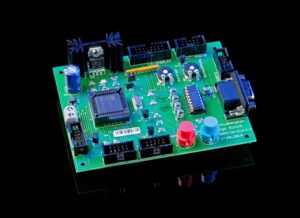
    The PIC12F508/519 (8-pin) is Microchip’s 8-bit PIC12 baseline core. PIC12F5 is the baseline 8-pin PIC12 – PIC12F508/519 – the simplest Flash part in Microchip’s smallest package.

    PIC12F508/519 (8-pin) Sub-Families & Key Variants

    Sub-family / variant Memory & clock Highlights
    PIC12F508 0.75 KB Flash, 8-pin Baseline 8-pin, 4 MHz
    PIC12F519 1.5 KB Flash, 8-pin More memory, 8-bit ADC

    Readout Protection on PIC12F508/519 (8-pin)

    Baseline code-protection fuses lock the firmware against external read; there is no debug interface. For any locked PIC12F508/519 (8-pin) we start from the silicon, not the programming header, because the protection is designed to refuse a clean external read.

    Flash Extraction & Clone Workflow

    When a customer ships us a protected PIC12F508/519 (8-pin), the work usually follows the same path: identify the exact package and die, then carry out baseline 8-pin recovery and 508/519 image rebuild. We read the internal memory non-destructively where the protection allows, reconstruct the binary or hex image, verify it against a known-good checksum, and finally program a blank device or deliver the recovered firmware. Every step is documented so the result can be reproduced or re-used for production cloning.

    Applications We See

    tiny control, LED and relay gadgets, and disposable electronics. Our engineers routinely read out, recover and clone the full PIC12F508/519 (8-pin) range – from the smallest derivatives to the high-pin-count members listed above.

    If you need a PIC12F508/519 (8-pin) read out, cloned or recovered, use our MCU code extraction service · contact our engineers. We handle locked, encrypted and OTP parts across all major vendors.

    Service scope and next steps

    If a part number does not appear on our previous work list, we still take it on: identify the device, read the protection state, and confirm the approach in a free evaluation. The full scope of what we handle, how a project runs from electrical integrity test to delivered file, and the payment terms are described on our service capabilities page.

    Ready to extract this firmware image?

    Send us the part number and a short description of what you need. Free evaluation, fixed quotation, and a reply within one business day.

    Request a quotation
  • Read MCU PIC16C57 Program

    Read MCU PIC16C57 Program

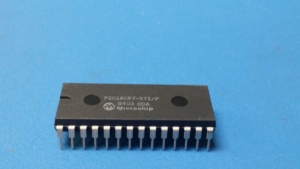
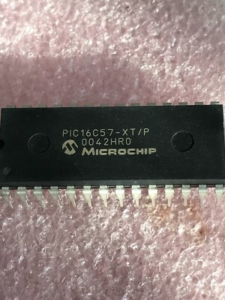
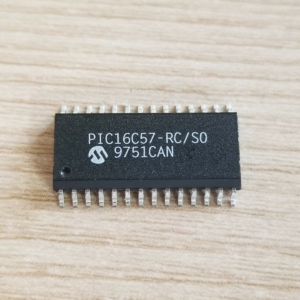
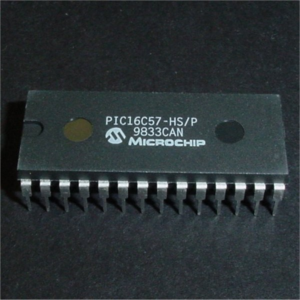
    Read MCU PIC16C57 Program deals with the recovery of firmware from a secured, protected, or locked microcontroller when no original development files or backup archive remain available. The PIC16C57 is based on OTP memory architecture, meaning the program is permanently embedded in the chip after programming. When systems require duplication, repair, or long-term maintenance, engineers must apply reverse engineering to open restricted access, extract a stable memory dump, and restore the firmware into a structured binary or heximal file. The priority is to recover a complete and accurate firmware archive that mirrors the original program stored in the microprocessor without introducing inconsistencies.

    Reading secured PIC16C57 program memory
    OTP PIC16C57 microcontroller during program read-out

    The PIC16C57 microcontroller is a practical 8-bit solution built around a simple yet efficient RISC architecture. It provides expanded I/O capability compared to smaller PIC variants, along with predictable instruction execution and reliable timing control. Although it lacks EEPROM and modern flash reprogramming features, it has been widely used in industrial automation devices, consumer control systems, automotive electronics, and security applications. In these deployments, the firmware stored within the chip functions as a permanent program archive, controlling system logic, signal processing, and device interaction. The MCU acts as both the computational unit and the storage medium for critical operational data.

    OTP PIC16C57 microcontroller during program read-out
    PIC16C57 code protection fuse layout

    Read MCU PIC16C57 Program is a process to extract embedded firmware out from Microcontroller flash and eeprom memory, start from decapsulate the silicon package and delayer the whole structure, recover MCU code can fulfill the task of IC cloning; A fetch cycle begins with the program counter (PC) incrementing in Q1. In the execution cycle, the fetched instruction is latched into the Instruction Register (IR) in cycle Q1.

    This instruction is then decoded and executed during the Q2, Q3, and Q4 cycles. Data memory is read during Q2 (operand read) and written during Q4 (destination write) if MCU protection can be removed and code will be extracted. All instructions are single cycle, except for any program branches. These take two cycles since the fetch instruction is “flushed” from the pipeline while the new instruction is being fetched and then executed. PIC16C57 memory is organized into program memory and data memory. For devices with more than 512 bytes of program memory, a paging scheme is used.

    PIC16C57 code protection fuse layout
    Reading secured PIC16C57 program memory

    Program memory pages are accessed using one STATUS register bit. For the PIC16C57 with a data memory register file of more than 32 registers, a banking scheme is used. Data memory banks are accessed using the File Select Register (FSR). The PIC16C57 devices have a 12-bit Program Counter (PC) capable of addressing a 2K x 12 program memory space. Only the first 512 x 12 (0000h-01FFh) for the PIC16C57 and 1K x 12 (0000h-03FFh) for the PIC16C57 are physically implemented. Refer to Figure 4-1. Accessing a location above these boundaries will cause a wrap around within the first 512 x 12 space (PIC16C57) or 1K x 12 space (PIC16C57). The effective reset vector is at 000h, (see Figure 4-1). Location 01FFh (PIC16C57) or location 03FFh (PIC16C57) contains the internal clock oscillator calibration value. This value should never be overwritten.

    Reading secured PIC16C57 program memory
    OTP PIC16C57 microcontroller during program read-out

    Read MCU PIC16C57 Program processes often require engineers to hack into a secured MCU to extract, recover, restore, and reverse engineer firmware from its locked internal memory. Because the chip is protected against direct readout, the process must carefully open access to the program memory and obtain a reliable binary dump without compromising data integrity. Engineers then reconstruct a valid heximal file and organize the firmware archive into a usable format. Challenges include handling OTP-based memory limitations, overcoming read-protection mechanisms, and ensuring that the extracted data remains complete and accurate. Maintaining consistency across the recovered firmware is essential for successful restoration and future use.

    OTP PIC16C57 microcontroller during program read-out
    PIC16C57 code protection fuse layout

    Recovering firmware from a PIC16C57 microcontroller provides substantial benefits for clients maintaining legacy systems and long-lifecycle products. By restoring a usable binary or program file, organizations can replicate existing designs, repair obsolete equipment, and continue production without redesigning hardware or rewriting source code. The recovered firmware archive also supports advanced reverse engineering analysis, enabling engineers to understand system behavior, validate functionality, and rebuild missing software components when necessary. This approach reduces engineering costs, minimizes downtime, and preserves valuable intellectual property embedded within the chip. Ultimately, Read MCU PIC16C57 Program transforms a secured and inaccessible microcontroller into a reusable engineering asset, ensuring long-term operational continuity across various industries.

    Service scope and next steps

    Before we quote a PIC job we confirm the silicon revision and the protection configuration, because both decide whether the on-chip programming area can be read directly or needs a different approach. The full scope of what we handle, how a project runs from electrical integrity test to delivered file, and the payment terms are described on our service capabilities page.

    Ready to extract this PIC firmware?

    Send us the part number and a short description of what you need. Free evaluation, fixed quotation, and a reply within one business day.

    Request a quotation
  • PIC16F7 (mid-range) Microcontroller Family – Flash Readout, Code Extraction & Clone

    PIC16F7 (mid-range) Microcontroller Family – Flash Readout, Code Extraction & Clone

    The PIC16F7 (mid-range) is Microchip’s 8-bit PIC16 mid-range core. The PIC16F7 group is the broad mid-range PIC16 family – from the 72x sensor parts through the classic 73/74/76/77 controllers to the 785 mixed-signal device.

    PIC16F7 (mid-range) Sub-Families & Key Variants

    Sub-family / variant Memory & clock Highlights
    PIC16F72x 3.5 KB Flash, touch / analog ECCP, comparators
    PIC16F73 / 74 / 76 / 77 7-14 KB Flash, 28-44 pin USART, MSSP, 10-bit ADC
    PIC16F785 8 KB Flash, dual comparator + Vref Mixed-signal, 20-pin

    Readout Protection on PIC16F7 (mid-range)

    Standard PIC16 code-protection and data-protection (CPD) fuses lock the firmware against external read and ICSP cloning. For any locked PIC16F7 (mid-range) we start from the silicon, not the programming header, because the protection is designed to refuse a clean external read.

    Flash Extraction & Clone Workflow

    When a customer ships us a protected PIC16F7 (mid-range), the work usually follows the same path: identify the exact package and die, then carry out mid-range fuse extraction and 73/74 Flash image rebuild. We read the internal memory non-destructively where the protection allows, reconstruct the binary or hex image, verify it against a known-good checksum, and finally program a blank device or deliver the recovered firmware. Every step is documented so the result can be reproduced or re-used for production cloning.

    Applications We See

    consumer electronics, power supplies, motor drivers, and general embedded control. Our engineers routinely read out, recover and clone the full PIC16F7 (mid-range) range – from the smallest derivatives to the high-pin-count members listed above.

    If you need a PIC16F7 (mid-range) read out, cloned or recovered, use our MCU code extraction service · contact our engineers. We handle locked, encrypted and OTP parts across all major vendors.

    Service scope and next steps

    Before we quote a PIC job we confirm the silicon revision and the protection configuration, because both decide whether the on-chip programming area can be read directly or needs a different approach. The full scope of what we handle, how a project runs from electrical integrity test to delivered file, and the payment terms are described on our service capabilities page.

    Ready to extract this PIC firmware?

    Send us the part number and a short description of what you need. Free evaluation, fixed quotation, and a reply within one business day.

    Request a quotation
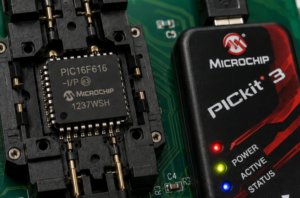
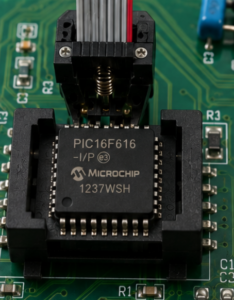
  • Read Chip PIC16F616 Flash

    Read Chip PIC16F616 Flash

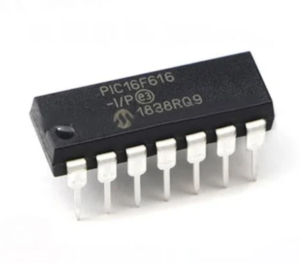
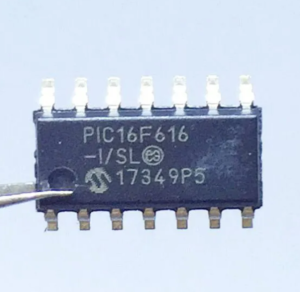
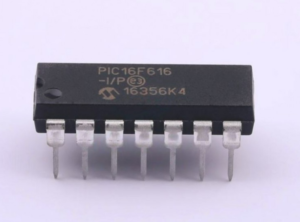
    The PIC16F616 from Microchip represents a refined evolution in low-power 8-bit architecture, packing 3.5 Kwords of flash instruction space, 128 bytes of SRAM, and 256 bytes of EEPROM into a compact 14-pin package that quietly governs countless industrial processes. This microcontroller distinguishes itself through dual analog comparators with programmable voltage references, enabling sophisticated threshold detection without external microprocessor support. Its embedded precision internal oscillator eliminates crystal requirements, reducing both bill-of-materials costs and electromagnetic vulnerability in noisy factory environments.

    Việc đọc nội dung bộ nhớ flash của vi điều khiển Microchip PIC16F616 bị khóa gặp phải những rào cản đáng kể vì Microchip đã thiết kế kiến ​​trúc bảo vệ của nó để chống lại chính xác loại thao tác trích xuất mà việc bảo tồn yêu cầu. Các công cụ phát triển tiêu chuẩn gặp phải các đường dẫn đọc được mã hóa trả về dữ liệu rác hoặc kích hoạt các cơ chế tự khóa khi có các nỗ lực truy cập trái phép xảy ra. Mảng bộ nhớ của vi điều khiển Microchip PIC16F616 nằm sau các máy trạng thái phần cứng giám sát điện áp, xung nhịp và chuỗi lệnh để phát hiện các bất thường — bất kỳ sự sai lệch nào so với các mẫu dự kiến ​​đều gây ra sự cô lập bộ nhớ chương trình ngay lập tức. Do đó, các dịch vụ phục hồi chuyên nghiệp phải phá vỡ các ranh giới của bộ vi xử lý Microchip PIC16F616 được bảo mật này thông qua các phương pháp không thể bị các mạch phòng thủ của vi điều khiển phát hiện. Quá trình trích xuất firmware tạo ra các luồng thập lục phân thô từ vi điều khiển Microchip PIC16F616, yêu cầu kỹ thuật đảo ngược tiếp theo để tái tạo ý nghĩa chức năng — chuyển đổi các mẫu điện thành các mã nguồn tương đương dễ hiểu, bản đồ tham số EEPROM và tài liệu vận hành mà các nhóm bảo trì thực sự có thể triển khai.
    Việc đọc nội dung bộ nhớ flash của vi điều khiển Microchip PIC16F616 bị khóa gặp phải những rào cản đáng kể vì Microchip đã thiết kế kiến ​​trúc bảo vệ của nó để chống lại chính xác loại thao tác trích xuất mà việc bảo tồn yêu cầu. Các công cụ phát triển tiêu chuẩn gặp phải các đường dẫn đọc được mã hóa trả về dữ liệu rác hoặc kích hoạt các cơ chế tự khóa khi có các nỗ lực truy cập trái phép xảy ra. Mảng bộ nhớ của vi điều khiển Microchip PIC16F616 nằm sau các máy trạng thái phần cứng giám sát điện áp, xung nhịp và chuỗi lệnh để phát hiện các bất thường — bất kỳ sự sai lệch nào so với các mẫu dự kiến ​​đều gây ra sự cô lập bộ nhớ chương trình ngay lập tức. Do đó, các dịch vụ phục hồi chuyên nghiệp phải phá vỡ các ranh giới của bộ vi xử lý Microchip PIC16F616 được bảo mật này thông qua các phương pháp không thể bị các mạch phòng thủ của vi điều khiển phát hiện. Quá trình trích xuất firmware tạo ra các luồng thập lục phân thô từ vi điều khiển Microchip PIC16F616, yêu cầu kỹ thuật đảo ngược tiếp theo để tái tạo ý nghĩa chức năng — chuyển đổi các mẫu điện thành các mã nguồn tương đương dễ hiểu, bản đồ tham số EEPROM và tài liệu vận hành mà các nhóm bảo trì thực sự có thể triển khai.

    The chip has become ubiquitous across motor speed controllers, LED driver modules, power supply regulation circuits, and sensor signal conditioning platforms where deterministic timing and modest memory footprints suffice. Appliance manufacturers integrated this MCU into washing machine drum controllers, refrigerator compressor management systems, and HVAC fan speed regulators—applications where the program must execute flawlessly across temperature extremes and voltage fluctuations for decades. The secured configuration fuses, once activated during production, transform these protected devices into black boxes where the firmware logic remains invisible to maintenance engineers and replacement suppliers alike.

    The FSCM is designed to detect an oscillator failure after the Oscillator Start-up Timer (OST) has expired. The OST is used after waking up from Sleep and after any type of Reset. The OST is not used with the EC or RC Clock modes so that the FSCM will be active as soon as the Reset or wake-up has completed.

    خواندن محتویات فلش یک میکروکنترلر قفل‌شده‌ی Microchip PIC16F616 با موانع بزرگی روبرو است، زیرا Microchip معماری محافظ خود را طوری طراحی کرده است که دقیقاً در برابر نوع عملیات استخراجی که نیاز به نگهداری دارد، مقاومت کند. ابزارهای توسعه استاندارد با مسیرهای خواندن رمزگذاری‌شده‌ای مواجه می‌شوند که داده‌های بی‌ارزش را برمی‌گردانند یا در صورت وقوع تلاش‌های دسترسی غیرمجاز، مکانیسم‌های خودقفل‌سازی را فعال می‌کنند. آرایه حافظه میکروکنترلر Microchip PIC16F616 در پشت ماشین‌های وضعیت سخت‌افزاری قرار دارد که ولتاژ، کلاک و توالی دستورالعمل‌ها را برای ناهنجاری‌ها رصد می‌کنند - هرگونه انحراف از الگوهای مورد انتظار باعث جداسازی فوری حافظه برنامه می‌شود. بنابراین، سرویس‌های بازیابی حرفه‌ای باید مرزهای این میکروپردازنده‌ی امن Microchip PIC16F616 را از طریق روش‌هایی که برای مدارهای دفاعی میکروکنترلر نامرئی هستند، هک کنند. فرآیند تخلیه‌ی میان‌افزار، جریان‌های شش‌ضلعی خام از میکروکنترلر Microchip PIC16F616 را ارائه می‌دهد که برای بازسازی معنای عملکردی به مهندسی معکوس بعدی نیاز دارند - تبدیل الگوهای الکتریکی به معادل‌های کد منبع قابل فهم، نقشه‌های پارامتر EEPROM و مستندات عملیاتی که تیم‌های تعمیر و نگهداری می‌توانند در واقع مستقر کنند.
    خواندن محتویات فلش یک میکروکنترلر قفل‌شده‌ی Microchip PIC16F616 با موانع بزرگی روبرو است، زیرا Microchip معماری محافظ خود را طوری طراحی کرده است که دقیقاً در برابر نوع عملیات استخراجی که نیاز به نگهداری دارد، مقاومت کند. ابزارهای توسعه استاندارد با مسیرهای خواندن رمزگذاری‌شده‌ای مواجه می‌شوند که داده‌های بی‌ارزش را برمی‌گردانند یا در صورت وقوع تلاش‌های دسترسی غیرمجاز، مکانیسم‌های خودقفل‌سازی را فعال می‌کنند. آرایه حافظه میکروکنترلر Microchip PIC16F616 در پشت ماشین‌های وضعیت سخت‌افزاری قرار دارد که ولتاژ، کلاک و توالی دستورالعمل‌ها را برای ناهنجاری‌ها رصد می‌کنند – هرگونه انحراف از الگوهای مورد انتظار باعث جداسازی فوری حافظه برنامه می‌شود. بنابراین، سرویس‌های بازیابی حرفه‌ای باید مرزهای این میکروپردازنده‌ی امن Microchip PIC16F616 را از طریق روش‌هایی که برای مدارهای دفاعی میکروکنترلر نامرئی هستند، هک کنند. فرآیند تخلیه‌ی میان‌افزار، جریان‌های شش‌ضلعی خام از میکروکنترلر Microchip PIC16F616 را ارائه می‌دهد که برای بازسازی معنای عملکردی به مهندسی معکوس بعدی نیاز دارند – تبدیل الگوهای الکتریکی به معادل‌های کد منبع قابل فهم، نقشه‌های پارامتر EEPROM و مستندات عملیاتی که تیم‌های تعمیر و نگهداری می‌توانند در واقع مستقر کنند.

    When the FSCM is enabled, the Two-Speed Start-up is also enabled. Therefore, the device will always be executing code while the OST is operating. Due to the wide range of oscillator start-up times, the Fail-Safe circuit is not active during oscillator start-up (i.e., after exiting Reset or Sleep). After an appropriate amount of time, the user should check the OSTS bit of the OSCCON register to verify the oscillator start-up and that the system clock switchover has successfully completed. There are as many as eighteen general purpose I/O pins available. Depending on which peripherals are enabled, some or all of the pins may not be available as general purpose I/O. In general, when a peripheral is enabled, the associated pin may not be used as a general purpose I/O pin.

    PORTA is a 6-bit wide, bidirectional port. The corresponding data direction register is TRISA (Register 4-2). Setting a TRISA bit (= 1) will make the corresponding PORTA pin an input (i.e., disable the output driver). Clearing a TRISA bit (= 0) will make the  corresponding PORTA pin an output (i.e., enables output driver and puts the contents of the output latch on the selected pin). The exception is RA3, which is input only and its TRIS bit will always read as ‘1’. Example 4-1 shows how to initialize PORTA. Reading the PORTA register (Register 4-1) reads the status of the pins, whereas writing to it will write to the PORT latch. All write operations are read-modify-write operations. Therefore, a write to a port implies that the port pins are read, this value is modified and then written to the PORT data latch. RA3 reads ‘0’ when MCLRE = 1. The TRISA register controls the PORTA pin output drivers, even when they are being used as analog inputs. The user should ensure the bits in the TRISA register are maintained set when using them as analog inputs. I/O pins configured as analog input always read.

    लॉक किए गए माइक्रोचिप PIC16F616 MCU के फ्लैश कंटेंट को पढ़ने में बड़ी मुश्किलें आती हैं, क्योंकि माइक्रोचिप ने अपने प्रोटेक्टिव आर्किटेक्चर को ठीक उसी तरह के एक्सट्रैक्ट ऑपरेशन को रोकने के लिए डिज़ाइन किया है, जिसकी प्रिजर्वेशन को ज़रूरत होती है। स्टैंडर्ड डेवलपमेंट टूल्स एन्क्रिप्टेड रीडआउट पाथवे का सामना करते हैं जो अनऑथराइज़्ड एक्सेस की कोशिश होने पर गार्बेज डेटा लौटाते हैं या सेल्फ-लॉकिंग मैकेनिज्म को ट्रिगर करते हैं। माइक्रोचिप PIC16F616 माइक्रोकंट्रोलर का मेमोरी ऐरे हार्डवेयर स्टेट मशीन के पीछे होता है जो वोल्टेज, क्लॉक और इंस्ट्रक्शन सीक्वेंस को एनोमली के लिए मॉनिटर करता है—एक्सपेक्टेड पैटर्न से कोई भी डेविएशन तुरंत प्रोग्राम मेमोरी आइसोलेशन का कारण बनता है। इसलिए प्रोफेशनल रिकवर सर्विसेज़ को इन सिक्योर्ड माइक्रोचिप PIC16F616 माइक्रोप्रोसेसर की बाउंड्रीज़ को उन तरीकों से हैक करना होगा जो माइक्रोकंट्रोलर के डिफेंसिव सर्किट के लिए इनविज़िबल रहते हैं। फर्मवेयर डंप प्रोसेस माइक्रोचिप PIC16F616 माइक्रोकंट्रोलर से रॉ हेक्सिमल स्ट्रीम देता है, जिसके फंक्शनल मीनिंग को रीकंस्ट्रक्ट करने के लिए बाद में रिवर्स इंजीनियरिंग की ज़रूरत होती है—इलेक्ट्रिकल पैटर्न को समझने लायक सोर्स कोड इक्विवेलेंट, EEPROM पैरामीटर मैप और ऑपरेशनल डॉक्यूमेंटेशन में बदलना, जिसे मेंटेनेंस टीम असल में डिप्लॉय कर सकती हैं।
    लॉक किए गए माइक्रोचिप PIC16F616 MCU के फ्लैश कंटेंट को पढ़ने में बड़ी मुश्किलें आती हैं, क्योंकि माइक्रोचिप ने अपने प्रोटेक्टिव आर्किटेक्चर को ठीक उसी तरह के एक्सट्रैक्ट ऑपरेशन को रोकने के लिए डिज़ाइन किया है, जिसकी प्रिजर्वेशन को ज़रूरत होती है। स्टैंडर्ड डेवलपमेंट टूल्स एन्क्रिप्टेड रीडआउट पाथवे का सामना करते हैं जो अनऑथराइज़्ड एक्सेस की कोशिश होने पर गार्बेज डेटा लौटाते हैं या सेल्फ-लॉकिंग मैकेनिज्म को ट्रिगर करते हैं। माइक्रोचिप PIC16F616 माइक्रोकंट्रोलर का मेमोरी ऐरे हार्डवेयर स्टेट मशीन के पीछे होता है जो वोल्टेज, क्लॉक और इंस्ट्रक्शन सीक्वेंस को एनोमली के लिए मॉनिटर करता है—एक्सपेक्टेड पैटर्न से कोई भी डेविएशन तुरंत प्रोग्राम मेमोरी आइसोलेशन का कारण बनता है। इसलिए प्रोफेशनल रिकवर सर्विसेज़ को इन सिक्योर्ड माइक्रोचिप PIC16F616 माइक्रोप्रोसेसर की बाउंड्रीज़ को उन तरीकों से हैक करना होगा जो माइक्रोकंट्रोलर के डिफेंसिव सर्किट के लिए इनविज़िबल रहते हैं। फर्मवेयर डंप प्रोसेस माइक्रोचिप PIC16F616 माइक्रोकंट्रोलर से रॉ हेक्सिमल स्ट्रीम देता है, जिसके फंक्शनल मीनिंग को रीकंस्ट्रक्ट करने के लिए बाद में रिवर्स इंजीनियरिंग की ज़रूरत होती है—इलेक्ट्रिकल पैटर्न को समझने लायक सोर्स कोड इक्विवेलेंट, EEPROM पैरामीटर मैप और ऑपरेशनल डॉक्यूमेंटेशन में बदलना, जिसे मेंटेनेंस टीम असल में डिप्लॉय कर सकती हैं।
    Reading the flash contents of a locked PIC16F616 confronts formidable barriers because Microchip designed its protective architecture to resist precisely the kind of extract operations that preservation demands. Standard development tools encounter encrypted readout pathways that return garbage data or trigger self-locking mechanisms when unauthorized access attempts occur. The chip‘s memory array sits behind hardware state machines that monitor voltage, clock, and instruction sequences for anomalies—any deviation from expected patterns causes immediate program memory isolation. Professional recover services must therefore hack these secured boundaries through methods that remain invisible to the microcontroller‘s defensive circuits. This involves characterizing the silicon’s physical behavior under extreme conditions, identifying microscopic timing windows where protected states briefly relax, and capturing binary transitions before security logic reasserts control. The dump process yields raw heximal streams that require subsequent reverse engineering to reconstruct functional meaning—transforming electrical patterns into comprehensible source code equivalents, EEPROM parameter maps, and operational documentation that maintenance teams can actually deploy.
     
    The existential necessity for such flash liberation becomes painfully apparent when legacy infrastructure fails and original design documentation has evaporated. A locked PIC16F616 in a production line controller might contain proprietary PID tuning coefficients, safety interlock sequences, or communication protocol timing that took years of field refinement to perfect. Without the ability to open these encrypted devices and restore their firmware to operational status, organizations face catastrophic choices: attempt black-box reverse engineering of complex electromechanical systems, or abandon entire production lines and absorb millions in revalidation costs. Our extract services eliminate this paralysis by delivering complete archive packages that capture every bit of memory content—both flash instructions and EEPROM calibration tables—enabling faithful program replication on replacement hardware. Clients gain the freedom to manufacture spare controllers, migrate functionality to modern platforms, or simply preserve institutional knowledge against future silicon obsolescence. The recovered binary file becomes a permanent engineering asset, immunizing operations against supply chain discontinuity and forgotten data relationships.
    Чтение содержимого флэш-памяти заблокированного микроконтроллера Microchip PIC16F616 сопряжено с серьезными трудностями, поскольку Microchip разработала свою защитную архитектуру таким образом, чтобы противостоять именно тем операциям извлечения, которые необходимы для сохранения данных. Стандартные инструменты разработки сталкиваются с зашифрованными путями считывания, которые возвращают некорректные данные или запускают механизмы самоблокировки при попытках несанкционированного доступа. Массив памяти микроконтроллера Microchip PIC16F616 находится за аппаратными конечными автоматами, которые отслеживают напряжение, тактовую частоту и последовательность инструкций на предмет аномалий — любое отклонение от ожидаемых шаблонов приводит к немедленной изоляции памяти программы. Поэтому профессиональным службам восстановления приходится взламывать эти защищенные границы микропроцессора Microchip PIC16F616 с помощью методов, которые остаются невидимыми для защитных схем микроконтроллера. Процесс дампа прошивки дает необработанные шестнадцатеричные потоки данных с микроконтроллера Microchip PIC16F616, которые требуют последующего обратного проектирования для восстановления функционального смысла — преобразования электрических шаблонов в понятные эквиваленты исходного кода, карты параметров EEPROM и операционную документацию, которую группы технического обслуживания могут фактически использовать.
    Чтение содержимого флэш-памяти заблокированного микроконтроллера Microchip PIC16F616 сопряжено с серьезными трудностями, поскольку Microchip разработала свою защитную архитектуру таким образом, чтобы противостоять именно тем операциям извлечения, которые необходимы для сохранения данных. Стандартные инструменты разработки сталкиваются с зашифрованными путями считывания, которые возвращают некорректные данные или запускают механизмы самоблокировки при попытках несанкционированного доступа. Массив памяти микроконтроллера Microchip PIC16F616 находится за аппаратными конечными автоматами, которые отслеживают напряжение, тактовую частоту и последовательность инструкций на предмет аномалий — любое отклонение от ожидаемых шаблонов приводит к немедленной изоляции памяти программы. Поэтому профессиональным службам восстановления приходится взламывать эти защищенные границы микропроцессора Microchip PIC16F616 с помощью методов, которые остаются невидимыми для защитных схем микроконтроллера. Процесс дампа прошивки дает необработанные шестнадцатеричные потоки данных с микроконтроллера Microchip PIC16F616, которые требуют последующего обратного проектирования для восстановления функционального смысла — преобразования электрических шаблонов в понятные эквиваленты исходного кода, карты параметров EEPROM и операционную документацию, которую группы технического обслуживания могут фактически использовать.
     
    We specialize in transforming locked PIC16F616 devices into fully documented firmware resources through advanced semiconductor analysis capabilities. Our technical approach combines precision physical characterization with proprietary electrical techniques to hack past protected barriers and read complete flash arrays without compromising memory integrity. Every extracted chip undergoes exhaustive verification to ensure dump accuracy before we deliver structured archive outputs—including heximal instruction listings, EEPROM data maps, and functional source code documentation—that empower your engineering team to restore and reverse engineer legacy systems with confidence. Whether confronting immediate field failures or executing strategic platform migration, we ensure your microcontroller investments remain productive and secured against the irreversible loss of embedded operational intelligence.
    تُشكل قراءة محتويات ذاكرة الفلاش لوحدة التحكم الدقيقة Microchip PIC16F616 المُقفلة تحديًا كبيرًا، نظرًا لتصميم Microchip لبنيتها الوقائية خصيصًا لمقاومة عمليات الاستخراج التي تتطلبها عملية الحفظ. تواجه أدوات التطوير القياسية مسارات قراءة مُشفرة تُعيد بيانات غير مفهومة أو تُفعّل آليات القفل الذاتي عند حدوث محاولات وصول غير مُصرح بها. تقع مصفوفة ذاكرة وحدة التحكم الدقيقة Microchip PIC16F616 خلف آلات حالة الأجهزة التي تراقب الجهد والساعة وتسلسلات التعليمات بحثًا عن أي خلل - أي انحراف عن الأنماط المتوقعة يُؤدي إلى عزل فوري لذاكرة البرنامج. لذلك، يتعين على خدمات الاستعادة الاحترافية اختراق حدود معالج Microchip PIC16F616 المُؤمّن من خلال أساليب تبقى غير مرئية لدوائر الحماية الخاصة بوحدة التحكم الدقيقة. تُنتج عملية تفريغ البرامج الثابتة تدفقات سداسية عشرية خام من وحدة التحكم الدقيقة Microchip PIC16F616، والتي تتطلب هندسة عكسية لاحقة لإعادة بناء المعنى الوظيفي - تحويل الأنماط الكهربائية إلى ما يُعادلها من شفرة مصدرية مفهومة، وخرائط معلمات EEPROM، ووثائق تشغيلية يُمكن لفرق الصيانة استخدامها فعليًا.
    تُشكل قراءة محتويات ذاكرة الفلاش لوحدة التحكم الدقيقة Microchip PIC16F616 المُقفلة تحديًا كبيرًا، نظرًا لتصميم Microchip لبنيتها الوقائية خصيصًا لمقاومة عمليات الاستخراج التي تتطلبها عملية الحفظ. تواجه أدوات التطوير القياسية مسارات قراءة مُشفرة تُعيد بيانات غير مفهومة أو تُفعّل آليات القفل الذاتي عند حدوث محاولات وصول غير مُصرح بها. تقع مصفوفة ذاكرة وحدة التحكم الدقيقة Microchip PIC16F616 خلف آلات حالة الأجهزة التي تراقب الجهد والساعة وتسلسلات التعليمات بحثًا عن أي خلل – أي انحراف عن الأنماط المتوقعة يُؤدي إلى عزل فوري لذاكرة البرنامج. لذلك، يتعين على خدمات الاستعادة الاحترافية اختراق حدود معالج Microchip PIC16F616 المُؤمّن من خلال أساليب تبقى غير مرئية لدوائر الحماية الخاصة بوحدة التحكم الدقيقة. تُنتج عملية تفريغ البرامج الثابتة تدفقات سداسية عشرية خام من وحدة التحكم الدقيقة Microchip PIC16F616، والتي تتطلب هندسة عكسية لاحقة لإعادة بناء المعنى الوظيفي – تحويل الأنماط الكهربائية إلى ما يُعادلها من شفرة مصدرية مفهومة، وخرائط معلمات EEPROM، ووثائق تشغيلية يُمكن لفرق الصيانة استخدامها فعليًا.

    Service scope and next steps

    Before we quote a PIC job we confirm the silicon revision and the protection configuration, because both decide whether the on-chip programming area can be read directly or needs a different approach. The full scope of what we handle, how a project runs from electrical integrity test to delivered file, and the payment terms are described on our service capabilities page.

    Ready to extract this PIC firmware?

    Send us the part number and a short description of what you need. Free evaluation, fixed quotation, and a reply within one business day.

    Request a quotation
  • ATmega48/461 AVR Microcontroller Family – Flash Readout, Code Extraction & Clone

    ATmega48/461 AVR Microcontroller Family – Flash Readout, Code Extraction & Clone

    The ATmega48/461 AVR is Atmel / Microchip’s 8-bit AVR (picoPower) core. The ATmega4 group covers the compact 4-8 KB AVRs – ATmega48 and the ATmega461 derivatives – a low-cost, low-power node class.

    ATmega48/461 AVR Sub-Families & Key Variants

    Sub-family / variant Memory & clock Highlights
    ATmega48 / 48A / 48P 4 KB Flash, 512 B SRAM picoPower, self-write
    ATmega461 / 461A / 461P 4 KB Flash, low-power 20-pin, ADC

    Readout Protection on ATmega48/461 AVR

    AVR Lock Bits and the JTAG-disable fuse protect the small firmware image against external read. For any locked ATmega48/461 AVR we start from the silicon, not the programming header, because the protection is designed to refuse a clean external read.

    Flash Extraction & Clone Workflow

    When a customer ships us a protected ATmega48/461 AVR, the work usually follows the same path: identify the exact package and die, then carry out small-image lock-bit recovery and 48/461 Flash rebuild. We read the internal memory non-destructively where the protection allows, reconstruct the binary or hex image, verify it against a known-good checksum, and finally program a blank device or deliver the recovered firmware. Every step is documented so the result can be reproduced or re-used for production cloning.

    Applications We See

    small appliances, sensor nodes, and battery-powered gadgets. Our engineers routinely read out, recover and clone the full ATmega48/461 AVR range – from the smallest derivatives to the high-pin-count members listed above.

    If you need a ATmega48/461 AVR read out, cloned or recovered, use our MCU code extraction service · contact our engineers. We handle locked, encrypted and OTP parts across all major vendors.

    Service scope and next steps

    Atmel and Microchip AVR devices are read regularly, including fuse and lock-bit protected parts where the flash contents are still retrievable. We check the fuse state and lock bits before quoting. The full scope of what we handle, how a project runs from electrical integrity test to delivered file, and the payment terms are described on our service capabilities page.

    Need an AVR or ATmega part read?

    Send us the part number and a short description of what you need. Free evaluation, fixed quotation, and a reply within one business day.

    Request a quotation
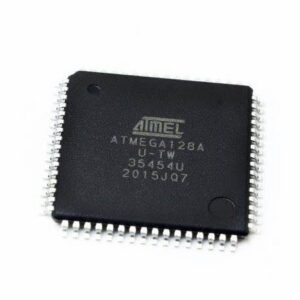
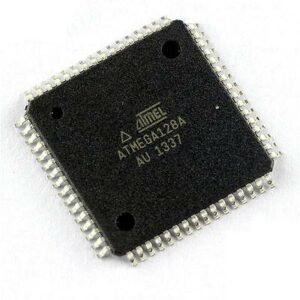
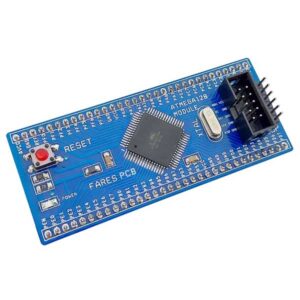
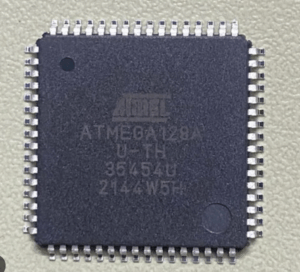
  • Read IC ATmega128A Firmware

    Read IC ATmega128A Firmware

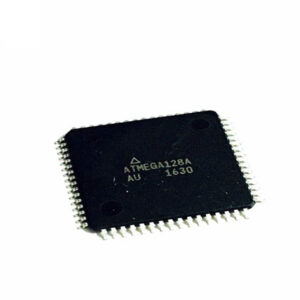
    The phrase Read IC ATmega128A Firmware captures a real-world need in embedded systems: accessing a microcontroller’s stored program or binary for legitimate purposes such as recovery, maintenance, interoperability, or security research. The ATmega128A — an 8‑bit AVR microcontroller with a relatively large on‑chip flash memory — is widely used where a balance of processing capability and low cost is required. Its on‑chip resources (substantial flash for firmware, EEPROM for calibration/data, SRAM for run‑time state) and rich peripheral set (serial interfaces, timers, ADC, memory interface) make it common in industrial controllers, communication equipment, consumer appliances, and legacy hardware platforms.

    Daugelyje diegimų sąmoningai žymima saugi mikrovaldiklio „Microchip ATMEGA128A“ atmintis kaip apsaugota, užrakinta arba apsaugota. Pardavėjai taiko šias apsaugos priemones, kad užkirstų kelią neteisėtam nuosavybės kodo kopijavimui, klonavimui ar dubliavimui ir apsaugotų intelektinę nuosavybę bei naudotojų saugumą. Užrakinimo bitų, užšifruotų programinės įrangos konteinerių arba sujungtų saugos būsenų buvimas užrakintame „Microchip ATMEGA128A“ mikrovaldiklyje padidina naudojamo MCU atminties ar programos išklotinės ištraukos išgavimo sunkumus. Priežastys, kodėl kas nors norėtų skaityti mikroprocesoriaus ATmega128A programinę-aparatinę įrangą, skiriasi. Įprastos motyvacijos apima prarasto programinės įrangos archyvo atkūrimą, kai šaltinio kodas buvo pamestas, programos logikos auditą saugumo ar saugos požiūriu, produkto priežiūros įgalinimą ilgaamžėse sistemose arba sąveikių pakaitinių modulių kūrimą, kai gamintojas nebėra pasiekiamas. Reguliuojamose pramonės šakose – pramoninės automatikos, medicinos prietaisų ir kai kurių automobilių posistemių – galimybė pasiekti dvejetainį arba šešioliktainį failą gali būti būtina norint įrodyti atitiktį reikalavimams, atkartoti sugedusią plokštę arba atkurti svarbią paslaugą.
    Daugelyje diegimų sąmoningai žymima saugi mikrovaldiklio „Microchip ATMEGA128A“ atmintis kaip apsaugota, užrakinta arba apsaugota. Pardavėjai taiko šias apsaugos priemones, kad užkirstų kelią neteisėtam nuosavybės kodo kopijavimui, klonavimui ar dubliavimui ir apsaugotų intelektinę nuosavybę bei naudotojų saugumą. Užrakinimo bitų, užšifruotų programinės įrangos konteinerių arba sujungtų saugos būsenų buvimas užrakintame „Microchip ATMEGA128A“ mikrovaldiklyje padidina naudojamo MCU atminties ar programos išklotinės ištraukos išgavimo sunkumus. Priežastys, kodėl kas nors norėtų skaityti mikroprocesoriaus ATmega128A programinę-aparatinę įrangą, skiriasi. Įprastos motyvacijos apima prarasto programinės įrangos archyvo atkūrimą, kai šaltinio kodas buvo pamestas, programos logikos auditą saugumo ar saugos požiūriu, produkto priežiūros įgalinimą ilgaamžėse sistemose arba sąveikių pakaitinių modulių kūrimą, kai gamintojas nebėra pasiekiamas. Reguliuojamose pramonės šakose – pramoninės automatikos, medicinos prietaisų ir kai kurių automobilių posistemių – galimybė pasiekti dvejetainį arba šešioliktainį failą gali būti būtina norint įrodyti atitiktį reikalavimams, atkartoti sugedusią plokštę arba atkurti svarbią paslaugą.

    Why someone would want to read IC ATmega128A firmware varies. Typical, lawful motivations include recovering a lost firmware archive when source code has been misplaced, auditing program logic for security or safety, enabling product maintenance in long‑lived systems, or creating interoperable replacement modules when a manufacturer is no longer available. In regulated industries — industrial automation, medical devices, and some automotive subsystems — being able to access the binary or heximal file can be essential to demonstrate compliance, replicate a failed board, or restore a critical service.

    Read IC ATmega128A Firmware needs to break mcu atmega128a flash memory and extract embedded firmware from atmega128a microprocessor;

    Read IC ATmega128A Firmware needs to break mcu atmega128a flash memory and extract embedded firmware from atmega128a microprocessor
    Read IC ATmega128A Firmware needs to break mcu atmega128a flash memory and extract embedded firmware from atmega128a microprocessor


    The Atmel QTouch Library provides a simple to use solution to realize touch sensitive interfaces on most Atmel AVR microcontrollers. The QTouch Library includes support for the QTouch and QMatrix acquisition methods.

    Touch sensing can be added to any application by linking the appropriate Atmel QTouch Library for the AVR Microcontroller. This is done by using a simple set of APIs to define the touch channels and sensors to extract ic controller atmega8535 source code, and then calling the touch sensing API’s to retrieve the channel information and determine the touch sensor states.

    The QTouch Library is FREE and downloadable from the Atmel website at the following location: www.atmel.com/qtouchlibrary. For implementation details and other information, refer to the Atmel QTouch Library User Guide – also available for download from the Atmel website.

    This datasheet contains simple code examples that briefly show how to use various parts of the device. These code examples assume that the part specific header file is included before compilation. Be aware that not all C compiler vendors include bit definitions in the header files and interrupt handling in C is compiler dependent.

    crack secured atmega128a microchip processor and reverse its software program from its flash memory
    crack secured atmega128a microchip processor and reverse its software program from its flash memory

    Please confirm with the C compiler documentation for more details. For I/O registers located in extended I/O map, “IN”, “OUT”, “SBIS”, “SBIC”, “CBI”, and “SBI” instructions must be replaced with instructions that allow access to extended I/O. Typically “LDS” and “STS” combined with “SBRS”, “SBRC”, “SBR”, and “CBR”.

    The Atmel QTouch Library provides a simple to use solution to realize touch sensitive interfaces on most Atmel AVR microcontrollers. The QTouch Library includes support for the QTouch and QMatrix acquisition methods.

    Touch sensing can be added to any application by linking the appropriate Atmel QTouch Library for the AVR Microcontroller. This is done by using a simple set of APIs to define the touch channels and sensors to extract microcontroller atmega162v flash memory code, and then calling the touch sensing API’s to retrieve the channel information and determine the touch sensor states.

    The QTouch Library is FREE and downloadable from the Atmel website at the following location: www.atmel.com/qtouchlibrary. For implementation details and other information, refer to the Atmel QTouch Library User Guide – also available for download from the Atmel website.

    Paljud juurutused märgistavad turvalise mikrokontrolleri Microchip ATMEGA128A mälu teadlikult turvaliseks, lukustatud või kaitstud kujul. Tootjad rakendavad neid kaitsemeetmeid, et vältida omandiõigusega kaitstud koodi volitamata kopeerimist, kloonimist või dubleerimist ning kaitsta intellektuaalomandit ja kasutajate turvalisust. Lukustusbittide, krüpteeritud püsivara konteinerite või sulandatud turvaseisundite olemasolu lukustatud Microchip ATMEGA128A mikrokontrolleris suurendab mikrokontrolleri mälu või programmi kasutatava prügimäe hankimise raskust. Põhjused, miks keegi tahaks lugeda mikroprotsessori ATmega128A püsivara, on erinevad. Tüüpilised motivatsioonid hõlmavad kadunud püsivara arhiivi taastamist, kui lähtekood on kadunud, programmi loogika auditeerimist turvalisuse või ohutuse tagamiseks, toote hoolduse võimaldamist pikaealistes süsteemides või koostalitlusvõimeliste asendusmoodulite loomist, kui tootja pole enam saadaval. Reguleeritud tööstusharudes – tööstusautomaatika, meditsiiniseadmed ja mõned autotööstuse alamsüsteemid – võib binaar- või kuueteistkümnendfailile juurdepääs olla oluline vastavuse demonstreerimiseks, rikkis plaadi replikeerimiseks või kriitilise teenuse taastamiseks.
    Paljud juurutused märgistavad turvalise mikrokontrolleri Microchip ATMEGA128A mälu teadlikult turvaliseks, lukustatud või kaitstud kujul. Tootjad rakendavad neid kaitsemeetmeid, et vältida omandiõigusega kaitstud koodi volitamata kopeerimist, kloonimist või dubleerimist ning kaitsta intellektuaalomandit ja kasutajate turvalisust. Lukustusbittide, krüpteeritud püsivara konteinerite või sulandatud turvaseisundite olemasolu lukustatud Microchip ATMEGA128A mikrokontrolleris suurendab mikrokontrolleri mälu või programmi kasutatava prügimäe hankimise raskust. Põhjused, miks keegi tahaks lugeda mikroprotsessori ATmega128A püsivara, on erinevad. Tüüpilised motivatsioonid hõlmavad kadunud püsivara arhiivi taastamist, kui lähtekood on kadunud, programmi loogika auditeerimist turvalisuse või ohutuse tagamiseks, toote hoolduse võimaldamist pikaealistes süsteemides või koostalitlusvõimeliste asendusmoodulite loomist, kui tootja pole enam saadaval. Reguleeritud tööstusharudes – tööstusautomaatika, meditsiiniseadmed ja mõned autotööstuse alamsüsteemid – võib binaar- või kuueteistkümnendfailile juurdepääs olla oluline vastavuse demonstreerimiseks, rikkis plaadi replikeerimiseks või kriitilise teenuse taastamiseks.

    However, many deployments deliberately mark device memory as secured, locked, or protected. Vendors apply these protections to prevent unauthorized copy, clone, or duplication of proprietary code and to protect intellectual property and user safety. The presence of lock bits, encrypted firmware containers, or fused security states increases the difficulty of extracting a usable dump of the MCU’s memory or program. Attempting to bypass those protections without authorization raises serious legal and ethical concerns and may violate copyright, device licensing, and local law.

    From a high level, the main challenges encountered when attempting to access protected ATmega128A firmware are non‑trivial:

    • Protection states: Logical protections can render standard read commands ineffective; this is why manufacturers use lock bits and configuration fuses to prevent casual readout of flash or EEPROM.

    • Physical constraints: The chip’s package, PCB layout, and lack of exposed debug pads often make physical access difficult without risking damage to the board or chip — which could permanently destroy the very data one seeks to recover.

    • Data interpretation: Even with a raw dump file, reconstructing meaningful source code or intent from a compiled binary is a complex reverse engineering task requiring expertise in AVR assembly, symbol reconstruction, and protocol analysis.

    • Safety and risk: In regulated products, altering or incorrectly restoring firmware can introduce hazards; preservation and integrity are paramount.

    Številne uvedbe namerno označijo varen pomnilnik mikrokrmilnika Microchip ATMEGA128A kot zavarovan, zaklenjen ali zaščiten. Proizvajalci uporabljajo te zaščite, da preprečijo nepooblaščeno kopiranje, kloniranje ali podvajanje lastniške kode ter da zaščitijo intelektualno lastnino in varnost uporabnikov. Prisotnost zaklepnih bitov, šifriranih vsebnikov vdelane programske opreme ali združenih varnostnih stanj v zaklenjenem mikrokrmilniku Microchip ATMEGA128A povečuje težavnost pridobivanja uporabnega izpisa pomnilnika ali programa mikrokrmilnika. Zakaj bi nekdo želel brati vdelano programsko opremo mikroprocesorja ATmega128A, je različno. Tipični razlogi vključujejo obnovitev izgubljenega arhiva vdelane programske opreme, ko je bila izvorna koda izgubljena, pregled programske logike za varnost ali zaščito, omogočanje vzdrževanja izdelkov v sistemih z dolgo življenjsko dobo ali ustvarjanje interoperabilnih nadomestnih modulov, ko proizvajalec ni več na voljo. V reguliranih panogah – industrijska avtomatizacija, medicinski pripomočki in nekateri avtomobilski podsistemi – je lahko dostop do binarne ali šestnajstiške datoteke bistven za dokazovanje skladnosti, replikacijo okvarjene plošče ali obnovitev kritične storitve.
    Številne uvedbe namerno označijo varen pomnilnik mikrokrmilnika Microchip ATMEGA128A kot zavarovan, zaklenjen ali zaščiten. Proizvajalci uporabljajo te zaščite, da preprečijo nepooblaščeno kopiranje, kloniranje ali podvajanje lastniške kode ter da zaščitijo intelektualno lastnino in varnost uporabnikov. Prisotnost zaklepnih bitov, šifriranih vsebnikov vdelane programske opreme ali združenih varnostnih stanj v zaklenjenem mikrokrmilniku Microchip ATMEGA128A povečuje težavnost pridobivanja uporabnega izpisa pomnilnika ali programa mikrokrmilnika. Zakaj bi nekdo želel brati vdelano programsko opremo mikroprocesorja ATmega128A, je različno. Tipični razlogi vključujejo obnovitev izgubljenega arhiva vdelane programske opreme, ko je bila izvorna koda izgubljena, pregled programske logike za varnost ali zaščito, omogočanje vzdrževanja izdelkov v sistemih z dolgo življenjsko dobo ali ustvarjanje interoperabilnih nadomestnih modulov, ko proizvajalec ni več na voljo. V reguliranih panogah – industrijska avtomatizacija, medicinski pripomočki in nekateri avtomobilski podsistemi – je lahko dostop do binarne ali šestnajstiške datoteke bistven za dokazovanje skladnosti, replikacijo okvarjene plošče ali obnovitev kritične storitve.

    Because of these challenges and the potential for misuse, discussions about breaking protections should remain in the domain of high‑level ethics, policy, and lawful practice. When the goal is legitimate — archival, repair, or certification — the preferred routes are to seek manufacturer cooperation, obtain explicit authorization from the device owner, or engage professional services that operate within legal boundaries. Reverse engineering for security auditing or interoperability is a valid and important activity, but it must be carried out responsibly, documenting provenance of any firmware, respecting copyright and licensing, and preserving device safety.

    In sum, Read IC ATmega128A Firmware is a phrase that points to a challenging, often necessary, and always sensitive activity. The ATmega128A’s capabilities and common deployments make it an important target for lawful recovery and analysis, yet its protections, physical packaging, and legal context ensure those efforts must be pursued with care, expertise, and proper authorization.

    Mnoho nasazení záměrně označuje zabezpečenou paměť mikrokontroléru Microchip ATMEGA128A jako zabezpečenou, uzamčenou nebo chráněnou. Dodavatelé používají tyto ochrany, aby zabránili neoprávněnému kopírování, klonování nebo duplikaci proprietárního kódu a aby chránili duševní vlastnictví a bezpečnost uživatelů. Přítomnost blokovacích bitů, šifrovaných kontejnerů firmwaru nebo spojených bezpečnostních stavů v uzamčeném mikrokontroléru Microchip ATMEGA128A zvyšuje obtížnost extrakce použitelného výpisu paměti nebo programu mikrokontroléru. Důvody, proč by někdo chtěl číst firmware mikroprocesoru ATmega128A, se liší. Mezi typické motivace patří obnovení ztraceného archivu firmwaru, pokud byl zdrojový kód ztracen, audit programové logiky z hlediska bezpečnosti nebo ochrany, umožnění údržby produktů v systémech s dlouhou životností nebo vytváření interoperabilních náhradních modulů, když výrobce již není k dispozici. V regulovaných odvětvích – průmyslová automatizace, zdravotnické prostředky a některé automobilové subsystémy – může být přístup k binárnímu nebo heximálnímu souboru nezbytný pro prokázání shody, replikaci vadné desky nebo obnovení kritické služby.
    Mnoho nasazení záměrně označuje zabezpečenou paměť mikrokontroléru Microchip ATMEGA128A jako zabezpečenou, uzamčenou nebo chráněnou. Dodavatelé používají tyto ochrany, aby zabránili neoprávněnému kopírování, klonování nebo duplikaci proprietárního kódu a aby chránili duševní vlastnictví a bezpečnost uživatelů. Přítomnost blokovacích bitů, šifrovaných kontejnerů firmwaru nebo spojených bezpečnostních stavů v uzamčeném mikrokontroléru Microchip ATMEGA128A zvyšuje obtížnost extrakce použitelného výpisu paměti nebo programu mikrokontroléru. Důvody, proč by někdo chtěl číst firmware mikroprocesoru ATmega128A, se liší. Mezi typické motivace patří obnovení ztraceného archivu firmwaru, pokud byl zdrojový kód ztracen, audit programové logiky z hlediska bezpečnosti nebo ochrany, umožnění údržby produktů v systémech s dlouhou životností nebo vytváření interoperabilních náhradních modulů, když výrobce již není k dispozici. V regulovaných odvětvích – průmyslová automatizace, zdravotnické prostředky a některé automobilové subsystémy – může být přístup k binárnímu nebo heximálnímu souboru nezbytný pro prokázání shody, replikaci vadné desky nebo obnovení kritické služby.

    Service scope and next steps

    Atmel and Microchip AVR devices are read regularly, including fuse and lock-bit protected parts where the flash contents are still retrievable. We check the fuse state and lock bits before quoting. The full scope of what we handle, how a project runs from electrical integrity test to delivered file, and the payment terms are described on our service capabilities page.

    Need an AVR or ATmega part read?

    Send us the part number and a short description of what you need. Free evaluation, fixed quotation, and a reply within one business day.

    Request a quotation