Quá trình đọc chương trình MCU PIC16C57 thường yêu cầu các kỹ sư phải xâm nhập vào MCU được bảo mật để trích xuất, khôi phục, phục hồi và phân tích ngược firmware từ bộ nhớ trong bị khóa của nó. Vì chip được bảo vệ chống lại việc đọc trực tiếp, quá trình này phải cẩn thận mở quyền truy cập vào bộ nhớ chương trình và thu được bản sao nhị phân đáng tin cậy mà không làm ảnh hưởng đến tính toàn vẹn dữ liệu. Khôi phục firmware từ vi điều khiển PIC16C57 mang lại lợi ích đáng kể cho khách hàng duy trì các hệ thống cũ và các sản phẩm có vòng đời dài. Bằng cách khôi phục tệp nhị phân hoặc tệp chương trình có thể sử dụng được, các tổ chức có thể sao chép các thiết kế hiện có, sửa chữa thiết bị lỗi thời và tiếp tục sản xuất mà không cần thiết kế lại phần cứng hoặc viết lại mã nguồn. Kho lưu trữ firmware được khôi phục cũng hỗ trợ phân tích phân tích ngược nâng cao, cho phép các kỹ sư hiểu hành vi hệ thống, xác thực chức năng và xây dựng lại các thành phần phần mềm bị thiếu khi cần thiết. Cách tiếp cận này giảm chi phí kỹ thuật, giảm thiểu thời gian ngừng hoạt động và bảo tồn tài sản trí tuệ có giá trị được nhúng trong chip. Cuối cùng, việc đọc chương trình MCU PIC16C57 biến một vi điều khiển được bảo mật và không thể truy cập thành một tài sản kỹ thuật có thể tái sử dụng, đảm bảo tính liên tục hoạt động lâu dài trên nhiều ngành công nghiệp khác nhau.
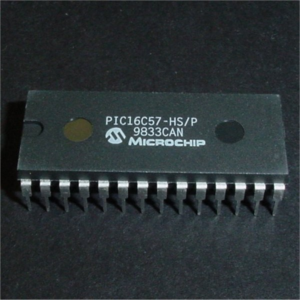
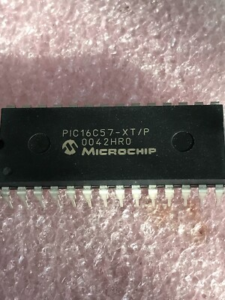
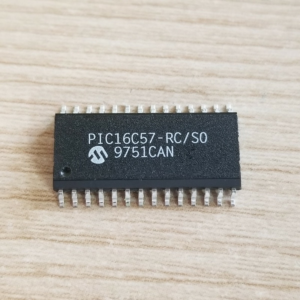
The PIC16C57 microcontroller is a practical 8-bit solution built around a simple yet efficient RISC architecture. It provides expanded I/O capability compared to smaller PIC variants, along with predictable instruction execution and reliable timing control. Although it lacks EEPROM and modern flash reprogramming features, it has been widely used in industrial automation devices, consumer control systems, automotive electronics, and security applications. In these deployments, the firmware stored within the chip functions as a permanent program archive, controlling system logic, signal processing, and device interaction. The MCU acts as both the computational unit and the storage medium for critical operational data.
PIC16C57 마이크로컨트롤러(MCU)의 프로그램 읽기 프로세스는 종종 엔지니어가 보안이 강화된 MCU에 접근하여 잠긴 내부 메모리에서 펌웨어를 추출, 복구, 복원 및 리버스 엔지니어링해야 하는 작업을 수반합니다. 칩이 직접 읽기로부터 보호되어 있기 때문에, 프로그램 메모리에 대한 접근 권한을 신중하게 확보하고 데이터 무결성을 손상시키지 않고 신뢰할 수 있는 바이너리 덤프를 얻어야 합니다. PIC16C57 마이크로컨트롤러에서 펌웨어를 복구하는 것은 레거시 시스템 및 장기 제품 관리 시스템을 운영하는 고객에게 상당한 이점을 제공합니다. 사용 가능한 바이너리 또는 프로그램 파일을 복원함으로써 기업은 기존 설계를 복제하고, 노후 장비를 수리하고, 하드웨어를 재설계하거나 소스 코드를 다시 작성하지 않고도 생산을 지속할 수 있습니다. 복구된 펌웨어 아카이브는 고급 리버스 엔지니어링 분석을 지원하여 엔지니어가 시스템 동작을 이해하고, 기능을 검증하고, 필요한 경우 누락된 소프트웨어 구성 요소를 재구축할 수 있도록 합니다. 이러한 접근 방식은 엔지니어링 비용을 절감하고, 가동 중지 시간을 최소화하며, 칩에 내장된 귀중한 지적 재산을 보호합니다. 궁극적으로, PIC16C57 마이크로컨트롤러 프로그램 읽기는 보안이 강화되어 접근할 수 없는 마이크로컨트롤러를 재사용 가능한 엔지니어링 자산으로 전환하여 다양한 산업 분야에서 장기적인 운영 연속성을 보장합니다.
Read MCU PIC16C57 Program is a process to extract embedded firmware out from Microcontroller flash and eeprom memory, start from decapsulate the silicon package and delayer the whole structure, recover MCU code can fulfill the task of IC cloning; A fetch cycle begins with the program counter (PC) incrementing in Q1. In the execution cycle, the fetched instruction is latched into the Instruction Register (IR) in cycle Q1.
This instruction is then decoded and executed during the Q2, Q3, and Q4 cycles. Data memory is read during Q2 (operand read) and written during Q4 (destination write) if MCU protection can be removed and code will be extracted. All instructions are single cycle, except for any program branches. These take two cycles since the fetch instruction is “flushed” from the pipeline while the new instruction is being fetched and then executed. PIC16C57 memory is organized into program memory and data memory. For devices with more than 512 bytes of program memory, a paging scheme is used.
Процеси зчитування програмного забезпечення MCU PIC16C57 часто вимагають від інженерів зламу захищеного MCU для вилучення, відновлення та зворотного проектування прошивки з його заблокованої внутрішньої пам’яті. Оскільки мікросхема захищена від прямого зчитування, процес повинен ретельно відкривати доступ до пам’яті програми та отримувати надійний бінарний дамп без шкоди для цілісності даних. Відновлення прошивки з мікроконтролера PIC16C57 надає суттєві переваги для клієнтів, які підтримують застарілі системи та продукти з тривалим життєвим циклом. Відновлюючи придатний для використання бінарний або програмний файл, організації можуть копіювати існуючі конструкції, ремонтувати застаріле обладнання та продовжувати виробництво без переробки апаратного забезпечення або переписування вихідного коду. Архів відновленого мікросхеми також підтримує розширений зворотний інженерний аналіз, що дозволяє інженерам розуміти поведінку системи, перевіряти функціональність та відновлювати відсутні програмні компоненти, коли це необхідно. Такий підхід знижує витрати на інженерію, мінімізує час простою та зберігає цінну інтелектуальну власність, вбудовану в мікросхему. Зрештою, програма зчитування MCU PIC16C57 перетворює захищений та недоступний мікроконтролер на багаторазовий інженерний актив, забезпечуючи довгострокову безперервність роботи в різних галузях промисловості.
Program memory pages are accessed using one STATUS register bit. For the PIC16C57 with a data memory register file of more than 32 registers, a banking scheme is used. Data memory banks are accessed using the File Select Register (FSR). The PIC16C57 devices have a 12-bit Program Counter (PC) capable of addressing a 2K x 12 program memory space. Only the first 512 x 12 (0000h-01FFh) for the PIC16C57 and 1K x 12 (0000h-03FFh) for the PIC16C57 are physically implemented. Refer to Figure 4-1. Accessing a location above these boundaries will cause a wrap around within the first 512 x 12 space (PIC16C57) or 1K x 12 space (PIC16C57). The effective reset vector is at 000h, (see Figure 4-1). Location 01FFh (PIC16C57) or location 03FFh (PIC16C57) contains the internal clock oscillator calibration value. This value should never be overwritten.
Read MCU PIC16C57 प्रोग्राम प्रोसेस में अक्सर इंजीनियरों को एक सिक्योर्ड MCU को हैक करके उसकी लॉक्ड इंटरनल मेमोरी से फर्मवेयर निकालना, रिकवर करना, रिस्टोर करना और रिवर्स इंजीनियर करना पड़ता है। क्योंकि चिप डायरेक्ट रीडआउट से प्रोटेक्टेड होती है, इसलिए प्रोसेस को प्रोग्राम मेमोरी तक सावधानी से एक्सेस खोलना चाहिए और डेटा इंटीग्रिटी से कॉम्प्रोमाइज़ किए बिना एक भरोसेमंद बाइनरी डंप पाना चाहिए। PIC16C57 माइक्रोकंट्रोलर से फर्मवेयर रिकवर करने से लेगेसी सिस्टम और लॉन्ग-लाइफसाइकल प्रोडक्ट्स को मेंटेन करने वाले क्लाइंट्स को काफी फायदे मिलते हैं। इस्तेमाल करने लायक बाइनरी या प्रोग्राम फ़ाइल को रिस्टोर करके, ऑर्गनाइज़ेशन मौजूदा डिज़ाइन को कॉपी कर सकते हैं, पुराने इक्विपमेंट को रिपेयर कर सकते हैं, और हार्डवेयर को रीडिज़ाइन किए बिना या सोर्स कोड को रीराइट किए बिना प्रोडक्शन जारी रख सकते हैं। रिकवर किया गया फर्मवेयर आर्काइव एडवांस्ड रिवर्स इंजीनियरिंग एनालिसिस को भी सपोर्ट करता है, जिससे इंजीनियर सिस्टम बिहेवियर को समझ सकते हैं, फंक्शनैलिटी को वैलिडेट कर सकते हैं, और ज़रूरत पड़ने पर मिसिंग सॉफ्टवेयर कंपोनेंट्स को रीबिल्ड कर सकते हैं। यह अप्रोच इंजीनियरिंग कॉस्ट को कम करता है, डाउनटाइम को कम करता है, और चिप के अंदर एम्बेडेड कीमती इंटेलेक्चुअल प्रॉपर्टी को सेव करता है। आखिर में, Read MCU PIC16C57 प्रोग्राम एक सिक्योर्ड और इनएक्सेसिबल माइक्रोकंट्रोलर को एक रीयूज़ेबल इंजीनियरिंग एसेट में बदल देता है, जिससे अलग-अलग इंडस्ट्रीज़ में लंबे समय तक ऑपरेशनल कंटिन्यूटी पक्की होती है।
Procesele de programare Read MCU PIC16C57 necesită adesea ca inginerii să pirateze un MCU securizat pentru a extrage, recupera, restaura și efectua inginerie inversă de firmware din memoria sa internă blocată. Deoarece cipul este protejat împotriva citirii directe, procesul trebuie să deschidă cu atenție accesul la memoria programului și să obțină un dump binar fiabil, fără a compromite integritatea datelor. Recuperarea firmware-ului de pe un microcontroler PIC16C57 oferă beneficii substanțiale pentru clienții care întrețin sistemele vechi și produsele cu ciclu de viață lung. Prin restaurarea unui fișier binar sau de program utilizabil, organizațiile pot replica proiectele existente, pot repara echipamentele învechite și pot continua producția fără a reproiecta hardware-ul sau a rescrie codul sursă. Arhiva de firmware recuperată acceptă, de asemenea, analiza avansată de inginerie inversă, permițând inginerilor să înțeleagă comportamentul sistemului, să valideze funcționalitatea și să reconstruiască componentele software lipsă atunci când este necesar. Această abordare reduce costurile de inginerie, minimizează timpul de nefuncționare și păstrează proprietatea intelectuală valoroasă încorporată în cip. În cele din urmă, programul Read MCU PIC16C57 transformă un microcontroler securizat și inaccesibil într-un activ de inginerie reutilizabil, asigurând continuitatea operațională pe termen lung în diverse industrii.
Recovering firmware from a PIC16C57 microcontroller provides substantial benefits for clients maintaining legacy systems and long-lifecycle products. By restoring a usable binary or program file, organizations can replicate existing designs, repair obsolete equipment, and continue production without redesigning hardware or rewriting source code. The recovered firmware archive also supports advanced reverse engineering analysis, enabling engineers to understand system behavior, validate functionality, and rebuild missing software components when necessary. This approach reduces engineering costs, minimizes downtime, and preserves valuable intellectual property embedded within the chip. Ultimately, Read MCU PIC16C57 Program transforms a secured and inaccessible microcontroller into a reusable engineering asset, ensuring long-term operational continuity across various industries.