
Extract MCU ATmega324A Code

Extract MCU ATmega324A Code is a specialized embedded firmware recovery service intended for authorized projects where original development files are unavailable, incomplete, or inaccessible due to security settings. The ATmega324A is a versatile AVR microcontroller commonly used in industrial controllers, building automation, laboratory instruments, data loggers, communication gateways, and advanced consumer electronics. With its balanced mix of flash, EEPROM, SRAM, and peripheral interfaces, it has become a reliable core for embedded systems that must operate continuously over long product lifecycles.
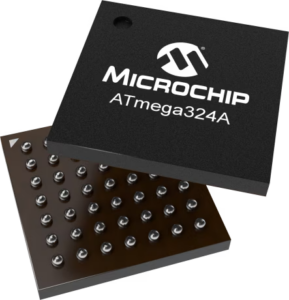
당사의 보안 마이크로칩 ATmega324A 코드 추출 서비스는 고객이 전문적이고 규정을 준수하는 방식으로 접근 제한을 해제하고, 비즈니스 연속성이 필요할 때 내장 프로그램 데이터를 복구할 수 있도록 지원함으로써 이러한 문제를 해결합니다. 개념적으로, 보안 마이크로컨트롤러에서 Microchip ATmega324A 보호 펌웨어를 추출하려면 장치 내부의 프로그램 메모리, 데이터 메모리 및 보호 로직이 어떻게 상호 작용하는지 이해해야 합니다. 각 사례는 분할된 플래시 영역, 보안 판독 경로 또는 기존 접근을 차단하는 내장 검증 메커니즘과 같은 고유한 어려움을 제시할 수 있습니다. 단일 방법에 의존하는 대신, 이 프로세스는 메모리 구성을 해독하고 Microchip ATmega324A 잠금 마이크로프로세서의 일관된 프로그램 아카이브를 재구성하는 데 중점을 둡니다. 목표는 기존 설계를 복제하거나 새로운 하드웨어에서 기능을 복제하는 등 추가 사용을 위해 검증, 아카이빙 및 준비할 수 있는 사용 가능한 펌웨어, 바이너리 또는 16진수 파일을 복구하는 것입니다.

A key strength of the ATmega324A lies in its rich feature set, including multiple serial interfaces, flexible timers, low-power operating modes, and a well-structured embedded memory architecture. To protect firmware and source code, manufacturers often enable protective, protected, locked, or encrypted configurations that restrict access to flash and EEPROM memory. While these safeguards are essential during production, they can create obstacles during system upgrades, fault recovery, or controlled duplication. Our Extract MCU ATmega324A Code service addresses this challenge by helping clients attack and break access limitations in a professional and compliant manner, allowing embedded program data to be retrieved when business continuity requires it.

Extract MCU ATmega324A Code from embedded program and data memory needs to break microcontroller atmega324a’s security fuse bit to turns off the protection and extracted atmega324a code must be decrypted for id pairing issue;
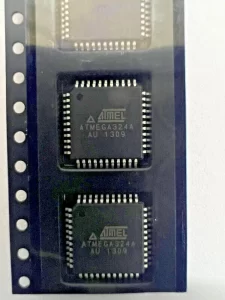
Dịch vụ trích xuất mã vi điều khiển Microchip ATmega324A được bảo mật của chúng tôi giải quyết thách thức này bằng cách giúp khách hàng tấn công và phá vỡ các hạn chế truy cập một cách chuyên nghiệp và tuân thủ quy định, cho phép truy xuất dữ liệu chương trình nhúng khi cần thiết để đảm bảo tính liên tục của hoạt động kinh doanh. Về mặt khái niệm, việc trích xuất phần mềm bảo vệ của vi điều khiển Microchip ATmega324A từ một vi điều khiển được bảo mật liên quan đến việc hiểu cách bộ nhớ chương trình, bộ nhớ dữ liệu và logic bảo vệ tương tác bên trong thiết bị. Mỗi trường hợp có thể gặp những khó khăn riêng, chẳng hạn như các vùng flash phân đoạn, đường dẫn đọc được bảo mật hoặc các cơ chế xác minh nhúng chặn truy cập thông thường. Thay vì dựa vào một phương pháp duy nhất, quy trình tập trung vào việc giải mã cấu trúc bộ nhớ và tái tạo các kho lưu trữ chương trình nhất quán của bộ vi xử lý Microchip ATmega324A bị khóa. Mục tiêu là truy xuất phần mềm, tệp nhị phân hoặc tệp thập lục phân có thể sử dụng được, có thể được xác thực, lưu trữ và chuẩn bị để sử dụng tiếp, cho dù mục tiêu là sao chép một thiết kế hiện có hay sao chép chức năng trên phần cứng mới.

When the SM2..0 bits are written to 010, the SLEEP instruction makes the MCU enter Power-down mode. In this mode, the external Oscillator is stopped, while the external interrupts, the 2-wire Serial Interface, and the Watchdog continue operating (if enabled).

Only an External Reset, a Watchdog Reset, a Brown-out Reset, 2-wire Serial Interface address match, an external level interrupt on INT7:4, an external interrupt on INT3:0, or a pin change interrupt can wake up the MCU. This sleep mode basically halts all generated clocks, allowing operation of asynchronous modules only if copy microcontroller memory program.

Note that if a level triggered interrupt is used for wake-up from Power-down mode, the changed level must be held for some time to wake up the MCU. Refer to “External Interrupts” on page 75 for details.

When waking up from Power-down mode, there is a delay from the wake-up condition occurs until the wake-up becomes effective. This allows the clock to restart and become stable after having been stopped. The wake-up period is defined by the same CKSEL Fuses that define the Reset Time-out period, as described in “Clock Sources” on page 40 after read microcontroller firmware.
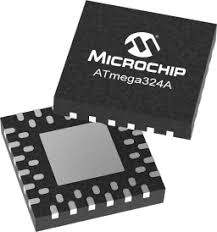
弊社のセキュアMCU Microchip ATmega324Aコード抽出サービスは、お客様が専門的かつコンプライアンスに準拠した方法でアクセス制限を攻撃・解除できるよう支援することで、この課題に対処します。これにより、事業継続に必要な場合に組み込みプログラムデータを取得できます。概念的な観点から言えば、セキュアなマイクロコントローラからMicrochip ATmega324A保護マイクロコントローラファームウェアを抽出するには、プログラムメモリ、データメモリ、および保護ロジックがデバイス内でどのように相互作用するかを理解する必要があります。それぞれのケースでは、セグメント化されたフラッシュ領域、セキュアな読み出しパス、従来のアクセスをブロックする組み込み検証メカニズムなど、固有の問題が発生する可能性があります。このプロセスは、単一の方法に依存するのではなく、メモリ構成のデコードと、Microchip ATmega324Aロックされたマイクロプロセッサの一貫性のあるプログラムアーカイブの再構築に重点を置いています。既存の設計を複製する場合でも、新しいハードウェアに機能を複製する場合でも、検証、アーカイブし、将来の使用に備えることができる使用可能なファームウェア、バイナリ、または16進ファイルを取得することが目的です。

When the SM2..0 bits are written to 011, the SLEEP instruction makes the MCU enter Power-save mode. This mode is identical to Power-down, with one exception:

If Timer/Counter2 is enabled, it will keep running during sleep. The device can wake up from either Timer Overflow or Output Compare event from Timer/Counter2 if the corresponding Timer/Counter2 interrupt enable bits are set in TIMSK2, and the Global Interrupt Enable bit in SREG is set.

If Timer/Counter2 is not running, Power-down mode is recommended instead of Power-save mode.

The Timer/Counter2 can be clocked both synchronously and asynchronously in Power-save mode. If the Timer/Counter2 is not using the asynchronous clock, the Timer/Counter Oscillator is stopped during sleep. If the Timer/Counter2 is not using the synchronous clock, the clock source is stopped during sleep. Note that even if the synchronous clock is running in Power-save, this clock is only available for the Timer/Counter2.

When the SM2..0 bits are 110 and an external crystal/resonator clock option is selected, the SLEEP instruction makes the MCU enter Standby mode. This mode is identical to Power-down with the exception that the Oscillator is kept running. From Standby mode, the device wakes up in six clock cycles.

When the SM2..0 bits are 111 and an external crystal/resonator clock option is selected, the SLEEP instruction makes the MCU enter Extended Standby mode. This mode is identical to Power-save mode with the exception that the Oscillator is kept running.

From Extended Standby mode, the device wakes up in six clock cycles. The Power Reduction Register, PRR, provides a method to stop the clock to individual peripherals to reduce power consumption. The current state of the peripheral is frozen and the I/O registers can not be read or written.

Resources used by the peripheral when stopping the clock will remain occupied, hence the peripheral should in most cases be disabled before stopping the clock. Waking up a module, which is done by clearing the bit in PRR, puts the module in the same state as before shutdown.
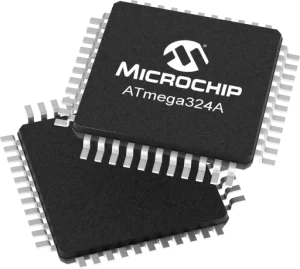
हमारी एक्सट्रैक्ट सिक्योर्ड MCU माइक्रोचिप ATmega324A कोड सर्विस इस चुनौती का समाधान करती है। यह क्लाइंट्स को प्रोफेशनल और नियमों के हिसाब से एक्सेस लिमिटेशन पर हमला करने और उन्हें तोड़ने में मदद करती है, जिससे बिज़नेस कंटिन्यूटी की ज़रूरत पड़ने पर एम्बेडेड प्रोग्राम डेटा को निकाला जा सकता है। एक कॉन्सेप्चुअल नज़रिए से, एक सिक्योर्ड माइक्रोकंट्रोलर से माइक्रोचिप ATmega324A प्रोटेक्टिव माइक्रोकंट्रोलर फर्मवेयर निकालने में यह समझना शामिल है कि डिवाइस के अंदर प्रोग्राम मेमोरी, डेटा मेमोरी और प्रोटेक्शन लॉजिक कैसे इंटरैक्ट करते हैं। हर मामले में अलग-अलग मुश्किलें आ सकती हैं, जैसे कि सेगमेंटेड फ्लैश रीजन, सिक्योर्ड रीडआउट पाथ, या एम्बेडेड वेरिफिकेशन मैकेनिज्म जो पारंपरिक एक्सेस को ब्लॉक करते हैं। किसी एक तरीके पर निर्भर रहने के बजाय, यह प्रोसेस मेमोरी ऑर्गनाइजेशन को डिकोड करने और माइक्रोचिप ATmega324A लॉक्ड माइक्रोप्रोसेसर के लगातार प्रोग्राम आर्काइव को फिर से बनाने पर फोकस करता है। इसका मकसद इस्तेमाल करने लायक फर्मवेयर, बाइनरी, या हेक्सिमल फाइलें निकालना है जिन्हें वैलिडेट, आर्काइव और आगे इस्तेमाल के लिए तैयार किया जा सके, चाहे लक्ष्य मौजूदा डिज़ाइन को क्लोन करना हो या नए हार्डवेयर पर फंक्शनैलिटी को डुप्लिकेट करना हो।

Module shutdown can be used in Idle mode and Active mode to significantly reduce the overall power consumption. See “Supply Current of IO modules” on page 381 for examples. In all other sleep modes, the clock is already stopped.

From a conceptual standpoint, extracting firmware from a secured microcontroller involves understanding how program memory, data memory, and protection logic interact inside the device. Each case may present unique difficulties, such as segmented flash regions, secured readout paths, or embedded verification mechanisms that block conventional access. Rather than relying on a single method, the process focuses on decoding memory organization and reconstructing consistent program archives. The objective is to retrieve usable firmware, binary, or heximal files that can be validated, archived, and prepared for further use, whether the goal is to clone an existing design or duplicate functionality on new hardware.

For end users, the practical benefits are significant. Recovered program data and source code equivalents make it possible to maintain legacy products, extend production runs, and migrate embedded systems without the cost and risk of a full redesign. This approach reduces downtime, preserves proven logic, and ensures continuity for equipment deployed across industrial, commercial, and research environments. By offering a discreet and engineering-focused solution for ATmega324A firmware extraction, we support manufacturers, integrators, and service providers who need reliable access to embedded memory data while respecting the complexity and security of modern microcontroller designs.