Read Locked Microprocessor PIC18F8310 Flash

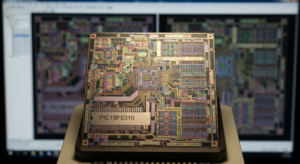
When an older electronic product remains commercially or operationally valuable, the original microchip may become the most accessible record of how its embedded system was designed to function. The PIC18F8310 belongs to Microchip’s PIC18 family of 8-bit microcontroller devices and is designed for embedded control applications where program execution, I/O management, timers, analog functions, and communication capabilities need to work within a compact architecture.

잠긴 마이크로프로세서 PIC18F8310 플래시 읽기로 알려진 프로젝트는 일반적인 내부 메모리 접근이 불가능한 상황에서 시작되는 경우가 많습니다. 이는 PIC18F8310 마이크로프로세서가 보안 설정, 보호 설정 또는 잠금 설정으로 구성되어 있기 때문입니다. 목적은 일반적인 프로그래밍 장비를 통해 단순히 읽을 수 있는 파일을 얻을 수 있다고 가정하는 것이 아니라, 기존의 PIC18F8310 칩에서 유용한 프로그램 정보를 추출하거나 복구할 수 있는지를 확인하는 것입니다. PIC18F8310 마이크로컨트롤러의 상태와 구성에 따라 엔지니어는 플래시에 저장된 펌웨어의 바이너리 또는 헥시멀 표현을 복구할 가능성을 조사할 수 있습니다. 생성된 메모리 덤프는 엔지니어링 참고 자료로 활용하거나 향후 분석을 위해 아카이브에 보관할 수 있습니다. 이후 리버스 엔지니어링을 통해 복구된 프로그램, 저장된 데이터, 그리고 하드웨어 동작 사이의 관계를 분석할 수 있습니다. 해킹, 잠금 해제, 복원과 같은 용어는 전반적인 복구 목표를 설명하는 데 사용될 수 있지만, 실제적인 초점은 특정 보호 우회 절차를 공개하는 것이 아니라 승인된 기술적 복구와 데이터 보존에 있습니다.

Devices in this class can be encountered in industrial controllers, measurement instruments, automation equipment, power-management products, automotive electronics, and specialized control units. Over years of production, however, the corresponding software archive, source code, or engineering documentation may disappear. In such situations, the flash contents held inside the original MCU can become an important reference for restoring an obsolete product or developing a compatible replacement.

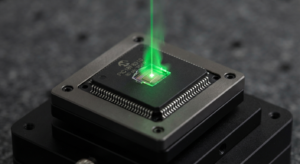
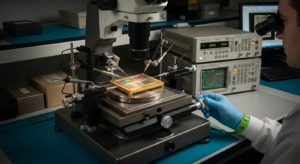
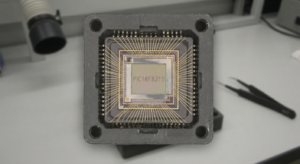
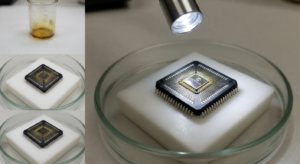
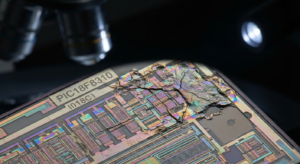
The project known as read locked microprocessor PIC18F8310 flash generally begins when conventional access to the internal memory is unavailable because the device has been configured as secured, protected, or locked. The purpose is to determine whether useful program information can be extracted or recovered from the existing chip, rather than simply assuming that a readable file can be obtained through normal programming equipment. Depending on the condition and configuration of the device, engineers may investigate the possibility of recovering a binary or heximal representation of the firmware stored in flash.

Dự án được gọi là đọc flash của vi xử lý PIC18F8310 bị khóa thường bắt đầu khi không thể truy cập bộ nhớ bên trong theo phương pháp thông thường vì vi xử lý PIC18F8310 đã được cấu hình ở trạng thái được bảo mật, được bảo vệ hoặc bị khóa. Mục đích là xác định liệu có thể trích xuất hoặc khôi phục thông tin chương trình hữu ích từ chip PIC18F8310 hiện có hay không, thay vì đơn giản giả định rằng có thể lấy được một tệp có thể đọc bằng thiết bị lập trình thông thường. Tùy thuộc vào tình trạng và cấu hình của vi điều khiển PIC18F8310, các kỹ sư có thể nghiên cứu khả năng khôi phục biểu diễn nhị phân hoặc heximal của firmware được lưu trong bộ nhớ flash. Một bản dump bộ nhớ thu được có thể được sử dụng làm tài liệu tham khảo kỹ thuật hoặc được đưa vào một kho lưu trữ để phân tích trong tương lai. Sau đó, kỹ thuật đảo ngược có thể được sử dụng để nghiên cứu mối quan hệ giữa chương trình được khôi phục, dữ liệu được lưu trữ và hoạt động của phần cứng. Các thuật ngữ như hack, mở khóa và khôi phục có thể mô tả mục tiêu phục hồi tổng thể, nhưng trọng tâm thực tế là khôi phục kỹ thuật được ủy quyền và bảo toàn dữ liệu, thay vì tiết lộ một quy trình cụ thể để vượt qua cơ chế bảo vệ

A resulting memory dump may serve as an engineering reference or be incorporated into an archive for future analysis. reverse engineering can subsequently be used to study the relationship between the recovered program, stored data, and hardware behavior. Terms such as hack, open, and restore may describe the overall recovery objective, but the practical focus is on authorized technical recovery and preservation rather than exposing a particular protection-bypass procedure.

The PSP can directly interface to an 8-bit microprocessor data bus. The external microprocessor can read or write the PORTD latch as an 8-bit latch. Setting the control bit, PSPMODE, enables the PORTE I/O pins to become control inputs for th e microprocessor port. When set, port pin RE0 is the RD input, RE1 is the WR input and RE2 is the CS (Chip Select) input. For this functionality, the corresponding data direction bits of the TRISE register (TRISE<2:0>) must be configured as inputs (set). The A/D port configuration bits, PFCG3:PFCG0 (ADCON1<3:0>), must also be set to a value in the range of ‘1010’ through ‘1111’.

يبدأ المشروع المعروف باسم قراءة فلاش المعالج الدقيق PIC18F8310 المقفل عادةً عندما يتعذر الوصول إلى الذاكرة الداخلية بالطرق التقليدية لأن المعالج الدقيق PIC18F8310 قد تم تكوينه ليكون مؤمّناً أو محميّاً أو مقفلاً. والهدف هو تحديد ما إذا كان من الممكن استخراج أو استعادة معلومات برنامج مفيدة من شريحة PIC18F8310 الموجودة، بدلاً من مجرد افتراض إمكانية الحصول على ملف قابل للقراءة باستخدام معدات البرمجة العادية. واعتماداً على حالة وإعداد المتحكم الدقيق PIC18F8310، قد يبحث المهندسون في إمكانية استعادة تمثيل ثنائي أو سداسي عشري للـ برنامج الثابت المخزن في الفلاش. ويمكن استخدام تفريغ الذاكرة الناتج كمرجع هندسي أو إدراجه في أرشيف للتحليل في المستقبل. ويمكن بعد ذلك استخدام الهندسة العكسية لدراسة العلاقة بين البرنامج المستعاد والبيانات المخزنة وسلوك الأجهزة. وقد تصف مصطلحات مثل الاختراق وفتح القفل والاستعادة الهدف العام لعملية الاسترداد، إلا أن التركيز العملي ينصب على الاسترداد التقني المصرح به والحفاظ على المعلومات، وليس الكشف عن إجراء محدد لتجاوز آلية الحماية.

A write to the PSP occurs when both the CS and WR lines are first detected low and ends when either are detected high. The PSPIF and IBF flag bits are both set when the write ends. A read from the PSP occurs when both the CS and RD lines are first detected low. The data in PORTD is read out and the OBF bit is clear. If the user writes new data to PORTD to set OBF, the data is immediately read out; however, the OBF bit is not set. When either the CS or RD lines are detected high, the PORTD pins return to the input state and the PSPIF bit is set. User applications should wait for PSPIF to be set before servicing the PSP; when this happens, the IBF and OBF bits can be polled and the appropriate action taken.

लॉक किए गए माइक्रोप्रोसेसर PIC18F8310 की फ्लैश पढ़ना नामक परियोजना आमतौर पर तब शुरू होती है जब आंतरिक मेमोरी तक पारंपरिक पहुँच उपलब्ध नहीं होती, क्योंकि PIC18F8310 माइक्रोप्रोसेसर को सुरक्षित, संरक्षित या लॉक अवस्था में कॉन्फ़िगर किया गया है। इसका उद्देश्य यह निर्धारित करना है कि मौजूदा PIC18F8310 चिप से उपयोगी प्रोग्राम संबंधी जानकारी निकाली या पुनर्प्राप्त की जा सकती है या नहीं, न कि केवल यह मान लेना कि सामान्य प्रोग्रामिंग उपकरणों के माध्यम से पढ़ने योग्य फ़ाइल प्राप्त की जा सकती है। PIC18F8310 माइक्रोकंट्रोलर की स्थिति और कॉन्फ़िगरेशन के आधार पर, इंजीनियर फ्लैश में संग्रहीत फ़र्मवेयर के बाइनरी या हेक्सिमल रूप को पुनर्प्राप्त करने की संभावना की जाँच कर सकते हैं। प्राप्त मेमोरी डंप को इंजीनियरिंग संदर्भ के रूप में उपयोग किया जा सकता है या भविष्य के विश्लेषण के लिए किसी आर्काइव में शामिल किया जा सकता है। इसके बाद रिवर्स इंजीनियरिंग का उपयोग पुनर्प्राप्त प्रोग्राम, संग्रहीत डेटा और हार्डवेयर के व्यवहार के बीच संबंध का अध्ययन करने के लिए किया जा सकता है। हैक, खोलना और पुनर्स्थापित करना जैसे शब्द समग्र पुनर्प्राप्ति उद्देश्य का वर्णन कर सकते हैं, लेकिन व्यावहारिक ध्यान किसी विशेष सुरक्षा-बायपास प्रक्रिया को उजागर करने के बजाय अधिकृत तकनीकी पुनर्प्राप्ति और संरक्षण पर केंद्रित होता है।

A locked MCU presents a number of uncertainties that make this type of work considerably different from copying an ordinary software file. Protection mechanisms can restrict readout, while an encrypted or otherwise transformed representation, if present, can make the recovered information difficult to interpret. The physical condition of the PIC18F8310 also matters: an aging board, unstable power circuitry, damaged connections, or previous repair attempts may influence the reliability of any communication with the microprocessor.

The project known as **read locked microprocessor PIC18F8310 flash** generally begins when conventional access to the internal **memory** is unavailable because the **PIC18F8310 microprocessor** has been configured as **secured**, **protected**, or **locked**. The purpose is to determine whether useful program information can be **extracted** or **recovered** from the existing **PIC18F8310 chip**, rather than simply assuming that a readable **file** can be obtained through normal programming equipment. Depending on the condition and configuration of the **PIC18F8310 microcontroller**, engineers may investigate the possibility of recovering a **binary** or **heximal** representation of the **firmware** stored in flash. A resulting memory **dump** may serve as an engineering reference or be incorporated into an **archive** for future analysis. **reverse engineering** can subsequently be used to study the relationship between the recovered **program**, stored **data**, and hardware behavior. Terms such as **hack**, **open**, and **restore** may describe the overall recovery objective, but the practical focus is on authorized technical recovery and preservation rather than exposing a particular protection-bypass procedure.

Another challenge is deciding what constitutes a successful recovery. A technically complete flash image does not automatically recreate the original source code, and a binary file does not explain the purpose of every instruction or stored value. Engineers therefore need to evaluate the recovered firmware in relation to the surrounding circuit, application requirements, eeprom information where applicable, and observable product behavior. The objective of recover and restore work is consequently to obtain dependable engineering information while minimizing unnecessary intervention with the original MCU.

لاک شدہ مائیکرو پروسیسر PIC18F8310 کی فلیش پڑھنے کے نام سے معروف منصوبہ عام طور پر اس وقت شروع ہوتا ہے جب اندرونی میموری تک روایتی رسائی ممکن نہ ہو، کیونکہ PIC18F8310 مائیکرو پروسیسر کو محفوظ، تحفظ یافتہ یا لاک شدہ حالت میں ترتیب دیا گیا ہوتا ہے۔ مقصد یہ معلوم کرنا ہے کہ موجودہ PIC18F8310 چِپ سے مفید پروگرام کی معلومات نکالی یا بحال کی جا سکتی ہیں یا نہیں، بجائے اس کے کہ محض یہ فرض کر لیا جائے کہ عام پروگرامنگ آلات کے ذریعے قابلِ مطالعہ فائل حاصل کی جا سکتی ہے۔ PIC18F8310 مائیکرو کنٹرولر کی حالت اور ترتیب کے مطابق، انجینئرز فلیش میں محفوظ فرم ویئر کی بائنری یا ہیکسیمل نمائندگی کو بحال کرنے کے امکان کا جائزہ لے سکتے ہیں۔ حاصل شدہ میموری ڈمپ کو انجینئرنگ حوالہ کے طور پر استعمال کیا جا سکتا ہے یا مستقبل کے تجزیے کے لیے کسی آرکائیو میں شامل کیا جا سکتا ہے۔ اس کے بعد ریورس انجینئرنگ کے ذریعے بحال شدہ پروگرام، محفوظ شدہ ڈیٹا اور ہارڈویئر کے رویے کے درمیان تعلق کا مطالعہ کیا جا سکتا ہے۔ ہیک، کھولنا اور بحال کرنا جیسی اصطلاحات مجموعی بحالی کے مقصد کو بیان کر سکتی ہیں، لیکن عملی توجہ کسی مخصوص حفاظتی بائی پاس طریقہ کار کو ظاہر کرنے کے بجائے مجاز تکنیکی بحالی اور معلومات کے تحفظ پر ہوتی ہے۔

For manufacturers, repair organizations, and owners of discontinued equipment, recovering a protected PIC18F8310 program can have significant commercial value. A usable flash image may help reproduce a discontinued control board, investigate a field failure, preserve a legacy product, or prepare a migration to a newer microcontroller. It can also provide a reference when the original development environment is no longer supported and the historical software archive has been lost.
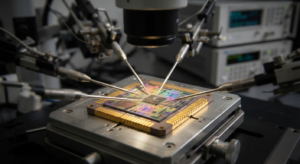
In some projects, the recovered binary or heximal information becomes part of a new engineering record, supporting testing, documentation, redesign, and long-term maintenance. Instead of rebuilding an established product entirely from the beginning, clients can retain valuable knowledge embedded within the original chip. The meaning of read locked microprocessor PIC18F8310 flash therefore extends beyond obtaining a memory copy: it is a practical approach to preserving embedded functionality, reducing redevelopment effort, and keeping mature electronic products supportable when their original software resources are no longer available.

ロックされたマイクロプロセッサ PIC18F8310 のフラッシュを読み取るプロジェクトは、通常、PIC18F8310 マイクロプロセッサがセキュリティ保護済み、保護状態、またはロック状態に設定されているため、内部のメモリへ従来の方法でアクセスできない場合に開始されます。目的は、通常のプログラミング機器を使用すれば読み取り可能なファイルが得られると単純に想定するのではなく、既存のPIC18F8310 チップから有用なプログラム情報を抽出または復元できるかどうかを判断することです。PIC18F8310 マイクロコントローラの状態や構成に応じて、エンジニアはフラッシュに保存されたファームウェアのバイナリまたはヘキシマル形式を復元できる可能性を調査します。得られたメモリダンプは、エンジニアリング上の参考資料として利用したり、将来の分析のためにアーカイブへ保存したりすることができます。その後、リバースエンジニアリングを用いて、復元されたプログラム、保存されたデータ、およびハードウェアの動作との関係を調査できます。ハック、開く、復元などの用語は全体的な復旧目標を表す場合がありますが、実際の焦点は、特定の保護回避手順を公開することではなく、承認された技術的なデータ復旧と保存にあります。