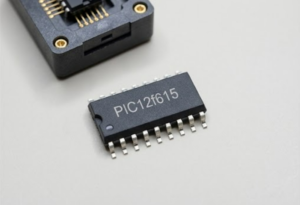
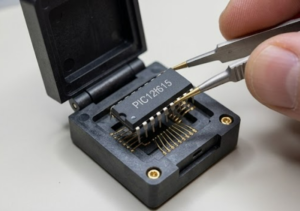
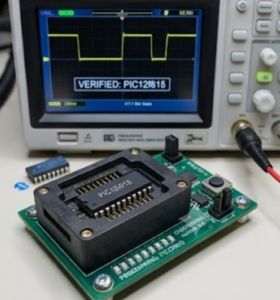
The PIC12F615 represents a compact yet powerful microcontroller unit (MCU) widely deployed across industrial automation, consumer electronics, and automotive control systems. As an 8-bit flash-based microprocessor, this chip integrates an enhanced mid-range core with specialized peripherals including high-speed comparators and precision analog modules. Manufacturing sectors frequently embed this integrated circuit into motor controllers, power supply regulators, and smart sensor modules where real-time processing meets stringent cost constraints. Its compact footprint and low power consumption make it indispensable for embedded designs requiring reliable program execution without excessive board space. Understanding the architecture of such microcontrollers becomes essential when original documentation disappears, legacy products demand maintenance beyond manufacturer support cycles, or engineering teams need to verify the exact firmware revision operating within critical infrastructure.
Việc trích xuất nội dung tệp nhị phân bị khóa của vi điều khiển Microchip PIC12F615 đặt ra những rào cản kỹ thuật đáng kể, giúp phân biệt rõ nỗ lực nghiệp dư với hoạt động khôi phục chip chuyên nghiệp. Các nhà sản xuất triển khai những lớp bảo vệ tinh vi để che chắn phần sụn đã mã hóa của MCU Microchip PIC12F615. Mảng bộ nhớ flash bên trong và các phân đoạn dữ liệu EEPROM độc lập sẽ không thể truy cập thông qua các bộ lập trình thông thường khi cầu chì bảo mật được kích hoạt, biến vi điều khiển Microchip PIC12F615 thành một hộp đen mờ đục theo đúng nghĩa. Để vượt qua những rào cản cứng rắn này, cần áp dụng các kỹ thuật thẩm vấn chuyên dụng dành cho vi xử lý Microchip PIC12F615, vốn tôn trọng kiến trúc silicon mỏng manh trong lúc cố gắng khôi phục quyền truy cập vào chương trình được bảo vệ cùng trạng thái an toàn của nó. Không giống các linh kiện đơn giản chưa bị khóa, vi điều khiển Microchip PIC12F615 đòi hỏi định thời chính xác, tham số điện áp đã hiệu chuẩn và khả năng kiểm soát môi trường để khôi phục mã máy nhị phân đã lưu trữ mà không kích hoạt các cơ chế khóa hủy diệt.
Every PORTA pin on this device family has an interrupt-on-change option and a weak pull-up option. RA0 also has an Ultra Low-Power Wake-up option. The next three sections describe these functions. The ANSEL and ANSELH registers are used to disable the input buffers of I/O pins, which allow analog voltages to be applied to those pins without causing excessive current. Setting the ANSx bit of a corresponding pin will cause all digital reads of that pin to return ‘0’ and also permit analog functions of that pin to operate correctly.
The state of the ANSx bit has no effect on the digital output function of its corresponding pin. A pin with the TRISx bit clear and ANSx bit set will operate as a digital output, together with the analog input function of that pin. Pins with the ANSx bit set always read ‘0’, which can cause unexpected behavior when executing read or write operations on the port due to the read-modify-write sequence of all such operations. Each of the PORTA pins, except RA3, has an individually configurable internal weak pull-up.
استخراج محتویات فایلهای باینری قفلشدهٔ میکروکنترلر Microchip PIC12F615 موانع فنی قابلتوجهی را ایجاد میکند که تلاشهای آماتوری را از عملیات حرفهای بازیابی تراشه جدا میسازد. تولیدکنندگان لایههای حفاظتی پیچیدهای را برای محافظت از سفتافزار رمزگذاریشدهٔ MCU با شماره Microchip PIC12F615 پیادهسازی میکنند. آرایههای حافظهٔ فلش داخلی و بخشهای مستقل داده EEPROM پس از فعالسازی فیوزهای امنیتی، از طریق برنامهریزهای معمولی غیرقابلدسترس باقی میمانند و عملاً میکروکنترلر Microchip PIC12F615 را به یک جعبهٔ سیاه مات تبدیل میکنند. شکستن این موانع سخت مستلزم تکنیکهای تخصصی بازجویی ریزپردازندهٔ Microchip PIC12F615 است که به معماری ظریف سیلیکونی احترام میگذارد و همزمان تلاش میکند دسترسی به برنامهٔ محافظتشده و وضعیت امن آن را بازگرداند. برخلاف قطعات سادهٔ قفلنشده، میکروکنترلر Microchip PIC12F615 به زمانبندی دقیق، پارامترهای ولتاژ کالیبرهشده و کنترل محیطی برای بازیابی کد ماشین باینری بایگانیشده بدون فراخوانی مکانیسمهای قفل مخرب نیاز دارد.
Control bits WPUAx enable or disable each pull-up. Refer to Register 4-4. Each weak pull-up is automatically turned off when the port pin is configured as an output. The pull-ups are disabled on a Power-on Reset by the RABPU bit of the OPTION register. A weak pull-up is automatically enabled for RA3 when configured as MCLR and disabled when RA3 is an I/O. There is no software control of the MCLR pull-up.
Each PORTA pin is individually configurable as an interrupt-on-change pin. Control bits IOCAx enable or disable the interrupt function for each pin. Refer to Register 4-6. The interrupt-on-change is disabled on a Power-on Reset. For enabled interrupt-on-change pins, the values are compared with the old value latched on the last read of PORTA. The ‘mismatch’ outputs of the last read are OR’d together to set the PORTA Change Interrupt Flag bit (RABIF) in the INTCON register (Register 2-6). This interrupt can wake the device from Sleep. The user, in the Interrupt Service Routine, clears the interrupt by:
Извлечение содержимого заблокированных бинарных файлов микроконтроллера Microchip PIC12F615 представляет собой серьёзные технические трудности, которые отделяют любительские попытки от профессиональных операций по восстановлению чипов. Производители внедряют сложные многоуровневые системы защиты для экранирования зашифрованной прошивки MCU Microchip PIC12F615. После активации защитных предохранителей внутренние массивы флеш-памяти и независимые сегменты данных EEPROM остаются недоступными через обычные программаторы, фактически превращая микроконтроллер Microchip PIC12F615 в непрозрачный чёрный ящик. Преодоление этих усиленных барьеров требует специальных методов опроса микропроцессора Microchip PIC12F615, которые бережно относятся к хрупкой кремниевой архитектуре при попытке восстановить доступ к защищённой программе и её безопасному состоянию. В отличие от более простых разблокированных компонентов, микроконтроллер Microchip PIC12F615 требует точного выбора времени, калиброванных параметров напряжения и контроля окружающей среды для восстановления сохранённого бинарного машинного кода без срабатывания разрушающих механизмов блокировки.
a) Any read or write of PORTA. This will end the mismatch condition, then,
b) Clear the flag bit RABIF. A mismatch condition will continue to set flag bit RABIF. Reading PORTA will end the mismatch condition and allow flag bit RABIF to be cleared. The latch holding the last read value is not affected by a MCLR nor BOR Reset. After these Resets, the RABIF flag will continueto be set if a mismatch is present.
Microchip PIC12F615 마이크로컨트롤러의 잠긴 바이너리 파일 콘텐츠를 추출하는 작업은 아마추어의 시도와 전문적인 칩 복구 작업을 가르는 상당한 기술적 장벽을 수반합니다. 제조사들은 Microchip PIC12F615 MCU의 암호화된 펌웨어를 보호하기 위해 정교한 보호 계층을 구현합니다. 내부 플래시 메모리 어레이와 독립적인 EEPROM 데이터 세그먼트는 보안 퓨즈가 활성화되면 기존 프로그래머로는 접근할 수 없게 되어, 결과적으로 Microchip PIC12F615 마이크로컨트롤러를 불투명한 블랙박스로 만들어 버립니다. 이러한 견고한 장벽을 돌파하려면, 섬세한 실리콘 아키텍처를 존중하면서 보호된 프로그램과 그 보안 상태에 대한 접근 권한을 복원하려고 시도하는 특수 Microchip PIC12F615 마이크로프로세서 인터로게이션(질의) 기법이 필요합니다. 잠금 해제된 단순한 부품과 달리, Microchip PIC12F615 마이크로컨트롤러는 파괴적인 잠금 메커니즘을 촉발시키지 않고 보관된 바이너리 기계어 코드를 복구하기 위해 정밀한 타이밍, 보정된 전압 파라미터 및 환경 제어를 요구합니다.
Successful reverse engineering of a PIC12F615 yields comprehensive deliverables extending far beyond a simple heximal file or raw binary archive. The recovered output typically encompasses the complete flash image alongside independent EEPROM data snapshots, enabling clients to reconstruct functional firmware replicas from the extracted microcontroller memory. Professional restoration services transform these protected dumps into editable development environments where engineers can analyze program logic, patch vulnerabilities, or port existing algorithms to modern hardware platforms. Whether the objective involves cloning a discontinued industrial controller or recovering critical operational parameters from a damaged circuit board, the extracted file package serves as the foundation for legitimate technical continuity. Unlike crude hack attempts that risk permanent corruption or silicon destruction, methodical extraction preserves the original hex structure and data relationships embedded within the chip’s architecture, ensuring that restored binaries maintain bitwise fidelity to the factory-programmed source while generating clean documentation for future engineering teams.
Microchip PIC12F615 माइक्रोकंट्रोलर की लॉक बाइनरी फ़ाइल सामग्री को निकालना पर्याप्त तकनीकी बाधाएँ प्रस्तुत करता है जो शौकिया प्रयासों को पेशेवर चिप रिकवरी संचालन से अलग करती हैं। निर्माता Microchip PIC12F615 MCU के एन्क्रिप्टेड फर्मवेयर की रक्षा के लिए परिष्कृत सुरक्षा परतें लागू करते हैं। सुरक्षा फ़्यूज़ सक्रिय होने के बाद आंतरिक फ्लैश मेमोरी ऐरे और स्वतंत्र EEPROM डेटा खंड पारंपरिक प्रोग्रामर्स के माध्यम से अप्राप्य रहते हैं, जो प्रभावी रूप से Microchip PIC12F615 माइक्रोकंट्रोलर को एक अपारदर्शी ब्लैक बॉक्स में बदल देता है। इन कठोर अवरोधों को तोड़ने के लिए विशिष्ट Microchip PIC12F615 माइक्रोप्रोसेसर इंटेरोगेशन तकनीकों की आवश्यकता होती है जो नाजुक सिलिकॉन आर्किटेक्चर का सम्मान करती हैं और साथ ही संरक्षित प्रोग्राम तथा इसकी सुरक्षित स्थिति तक पहुँच बहाल करने का प्रयास करती हैं। सरल अनलॉक घटकों के विपरीत, Microchip PIC12F615 माइक्रोकंट्रोलर को बिना विनाशकारी लॉकडाउन तंत्रों को ट्रिगर किए, संग्रहीत बाइनरी मशीन कोड को पुनर्प्राप्त करने हेतु सटीक टाइमिंग, अंशांकित वोल्टेज पैरामीटर और पर्यावरणीय नियंत्रण की माँग करता है।
Organizations pursue these extraction services when proprietary equipment fails yet replacement controllers remain unobtainable from original vendors or have been discontinued entirely. Clients regain the ability to open previously locked development pathways, re-establishing operational continuity for assembly lines, medical devices, or agricultural machinery dependent on obsolete microcontroller configurations. Beyond mere data recovery, the process delivers actionable intelligence—transforming inaccessible secured programs into maintainable source code assets that support long-term engineering decisions and regulatory compliance. This capability proves particularly valuable for auditing legacy systems, verifying supplier firmware integrity, or migrating time-tested control algorithms to next-generation chip platforms without sacrificing years of refinement. Ultimately, professional extraction transforms a dormant protected component into a recoverable digital asset, empowering businesses to preserve institutional knowledge while avoiding costly complete redesigns of proven electronic systems that continue serving vital commercial functions.